











Solutions
Water Treatment
Protect people and the bottom line with a real-time ozone monitoring system.
Potable Water
Municipal Water Treatment
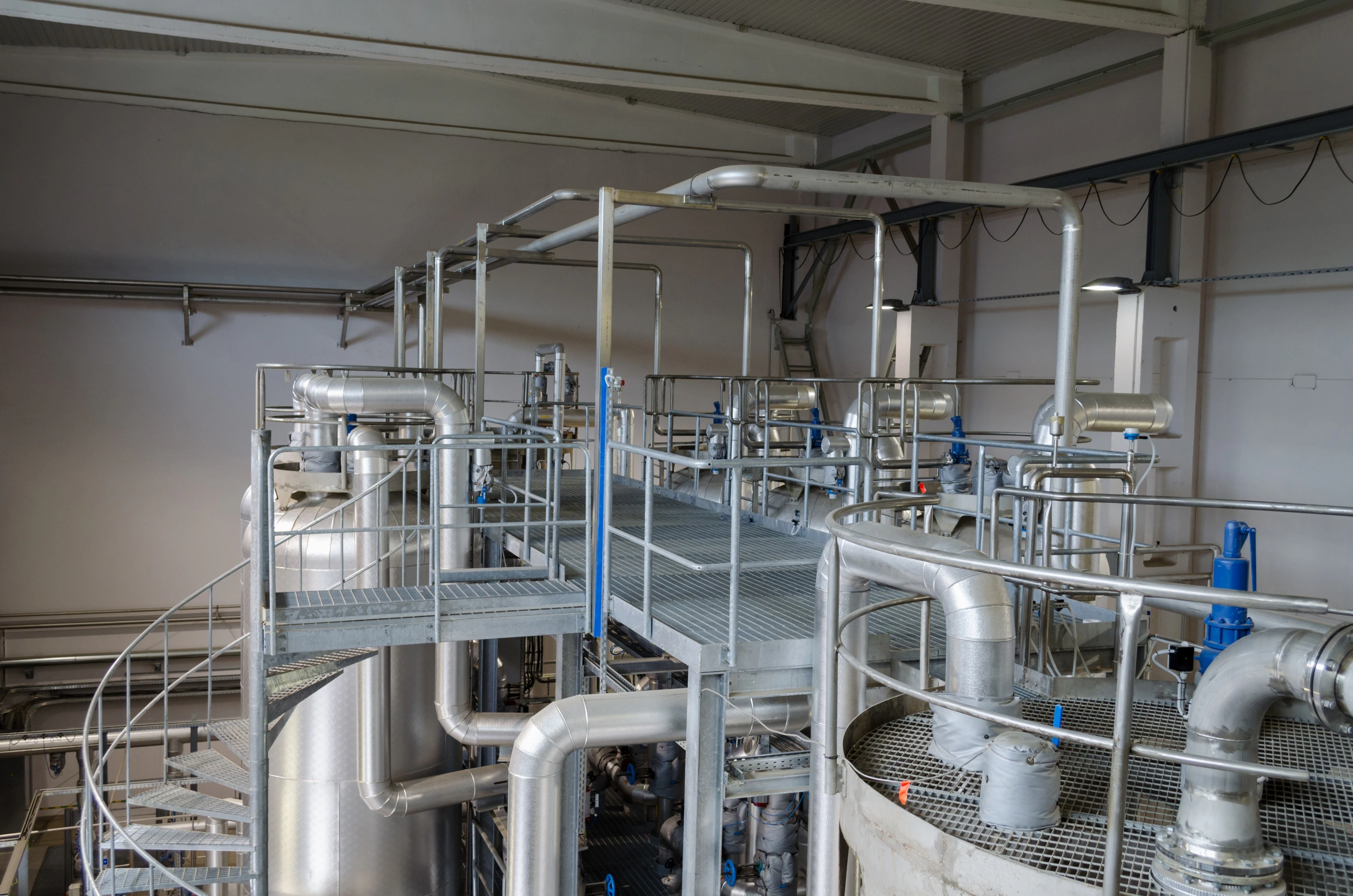
Ozone is applied in large scale drinking water plants by means of porous diffusers placed strategically in large concrete contacting tanks. In smaller plants, ozone is usually applied via injectors.
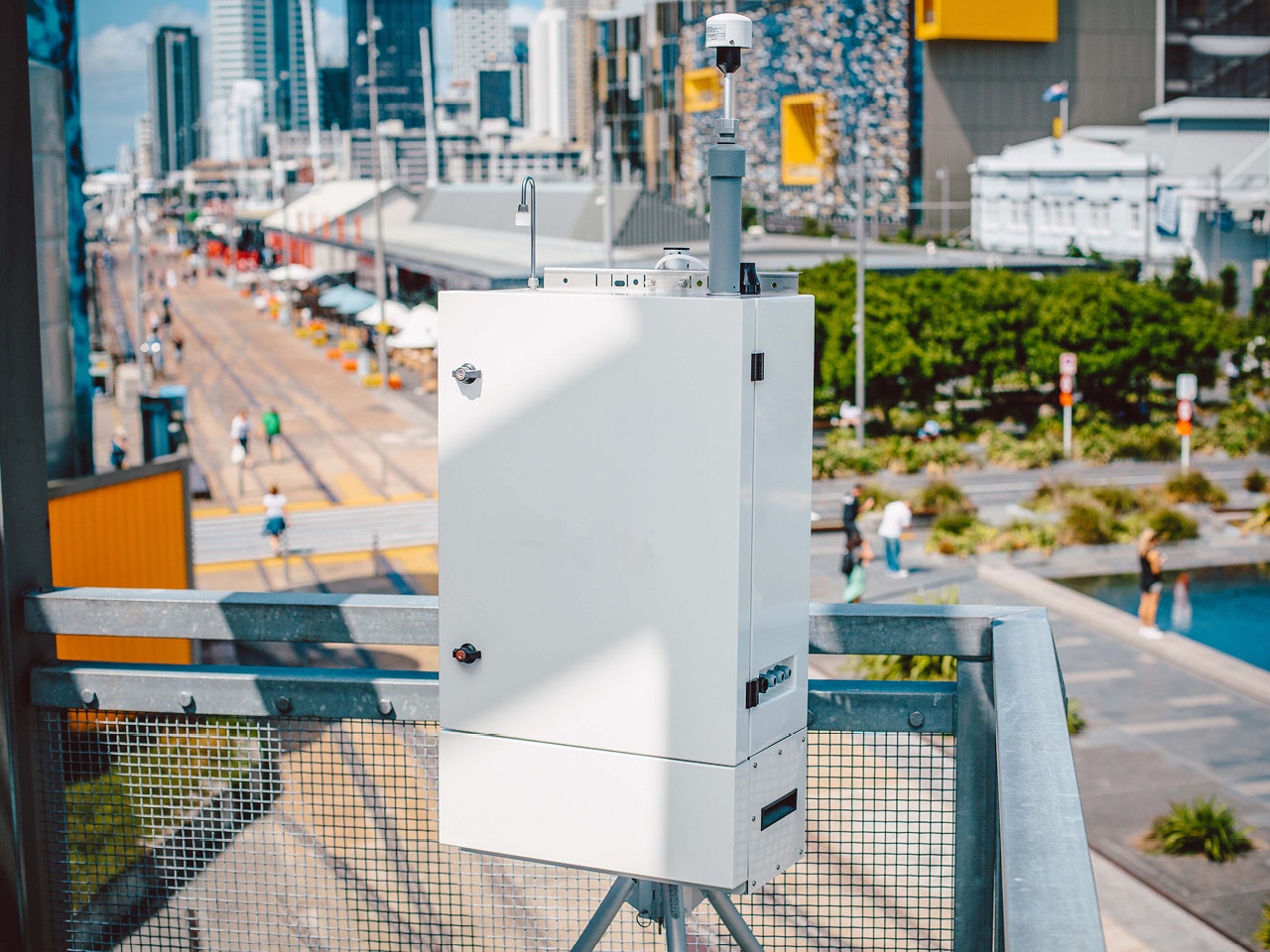
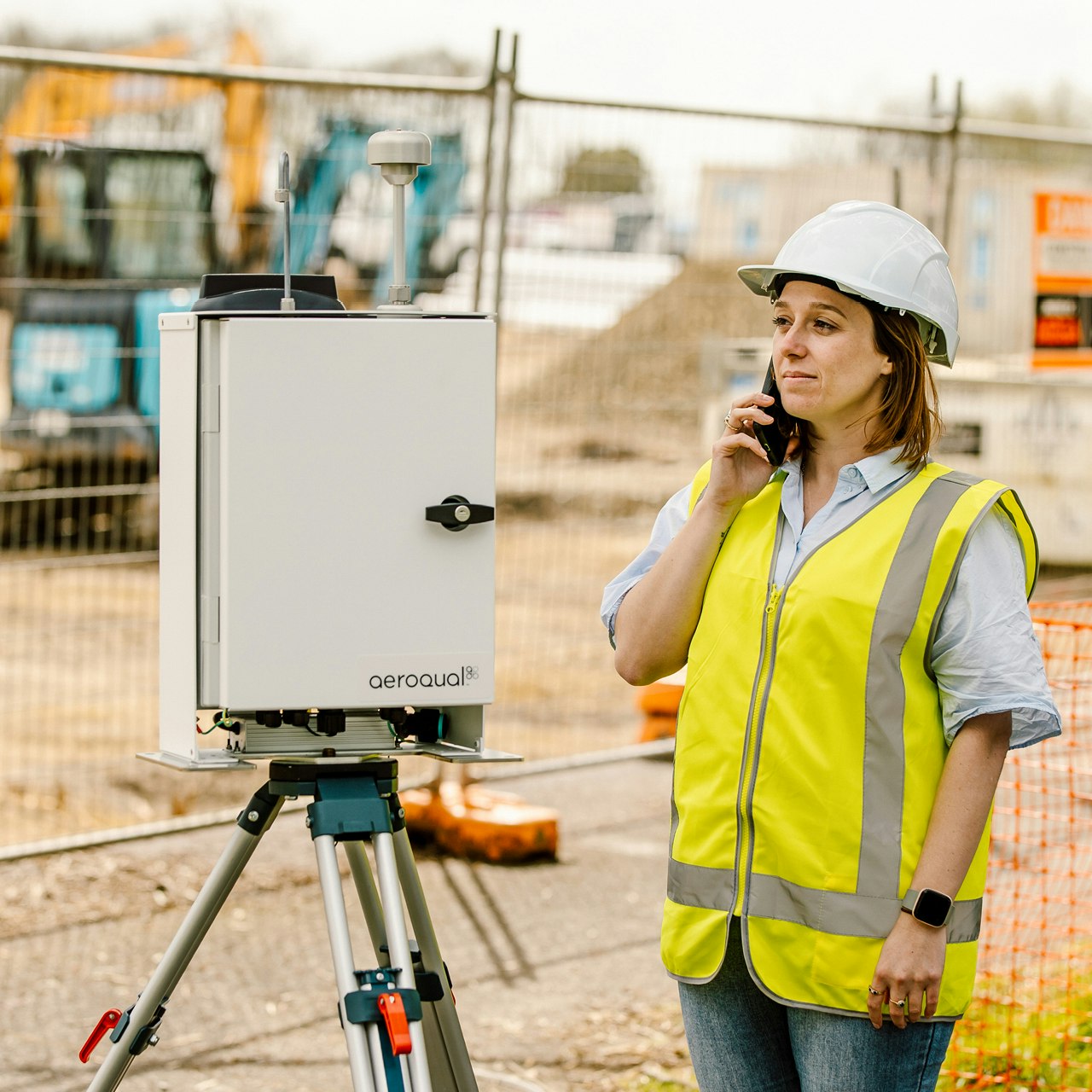
UV optical ozone analyzers are typically specified in this application for ambient monitoring and leak detection. Aeroqual have designed an accurate, low-cost ambient ozone monitor tailored to the needs of Municipal Water Plants.
Benefits of Aeroqual Ozone Monitors for Municipal Water Treatment:
- Lower maintenance costs
- Purchase multiple monitors for the same budget as a UV analyzer, offering greater coverage and safety
- No hassle of field calibration – simply change out factory pre-calibrated sensor heads annually
- No sending equipment away for calibration or expensive on-site technician time
- No downtime – keep spare sensor heads on hand
- Calibration certificates traceable to international standards available with every sensor head
- Network capabilities
Bottled Water
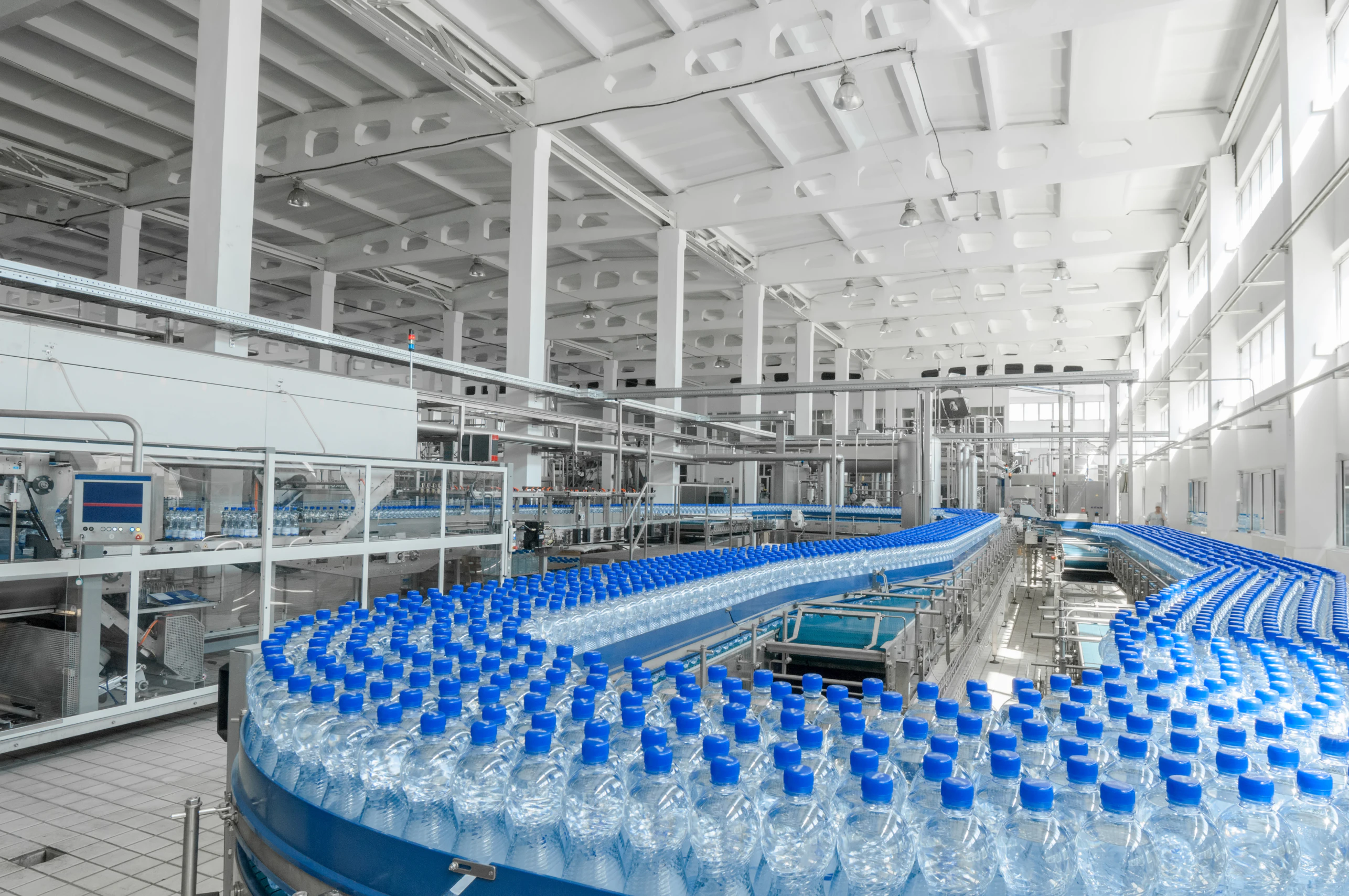
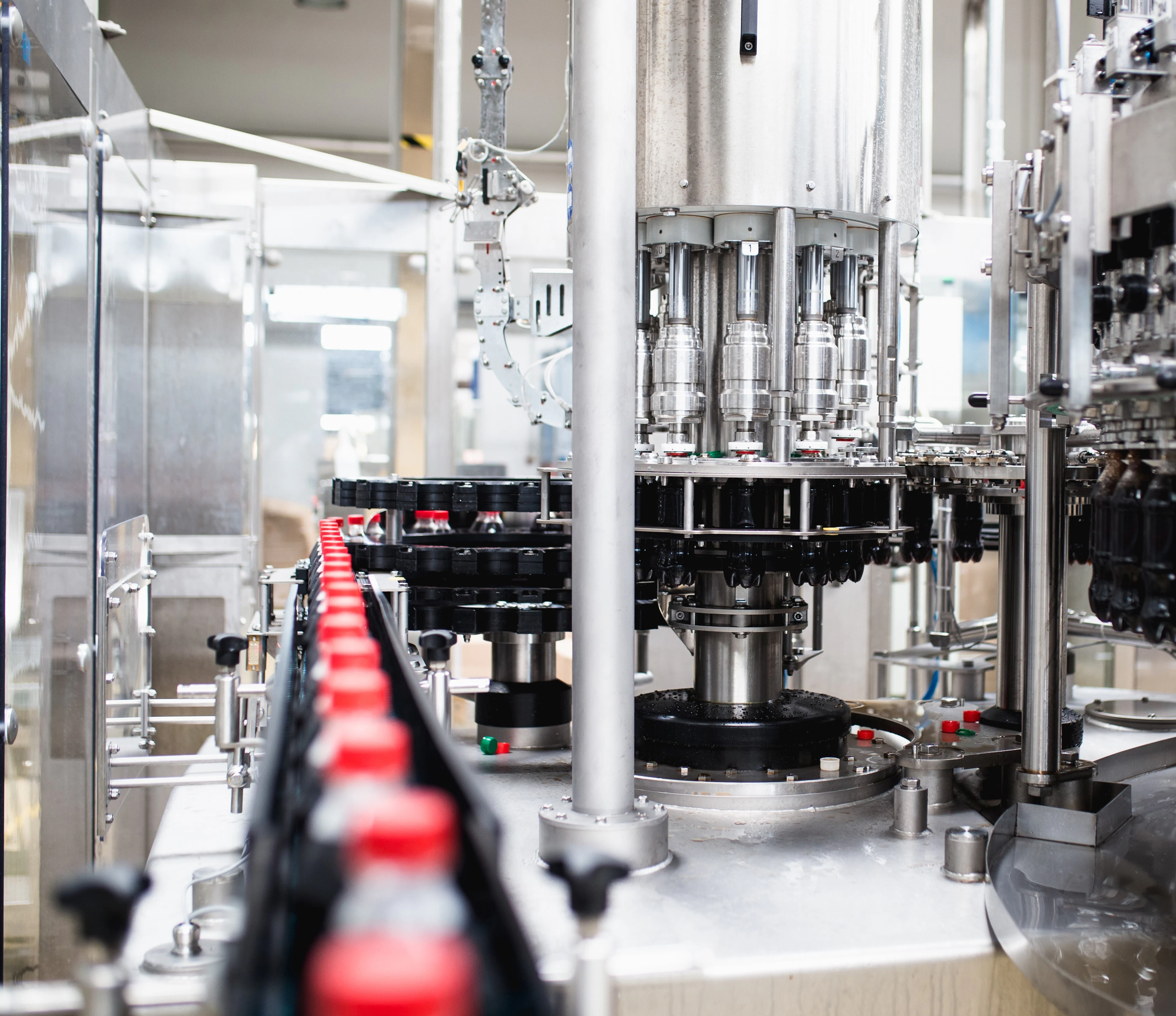
Ozone’s efficacy as a sanitizer prompted the International Bottled Water Association (IBWA) to require ozone in certain types of bottled water. The use of ozone is now common throughout the beverage industry, in plants bottling everything from beer and wine to soft drinks and juices.
- Potable water preparation – disinfect the bottled water from bacteria and viruses, precipitating heavy metals, removing color, tannin and hydrogen sulfide
- Surface sanitation – disinfect bottling equipment
- Container rinsing – disinfect bottles and caps
- Water preservation
An ambient ozone monitor is recommended in the generator room to shut down the generator in case of leaks, and also in production areas to protect workers.
Wineries & Breweries
Vintners and breweries are turning to ozone as a safe, cost effective, and proven sanitizer in their wine and beer making process.
Benefits of Ozone for Wineries & Breweries:
- Safe for Operators – vented ozone destruct
- Better Sanitation – complete disinfection on contact with no chemical residue
- Saves Money – reduces or eliminates chemical use and reduces hot water use
- Saves Time – disinfectant produced on-site (no storage, mixing or handling of chemicals)
- Process water purification
- Sustainability – ozone sanitation is the only natural product with proven efficiency without leaving any harmful by-products
- Mold & Mildew Control
- Eliminates T.E.A. precursors
- Preserves natural flavor of products
Waste Water
Pharmaceutical Water Treatment
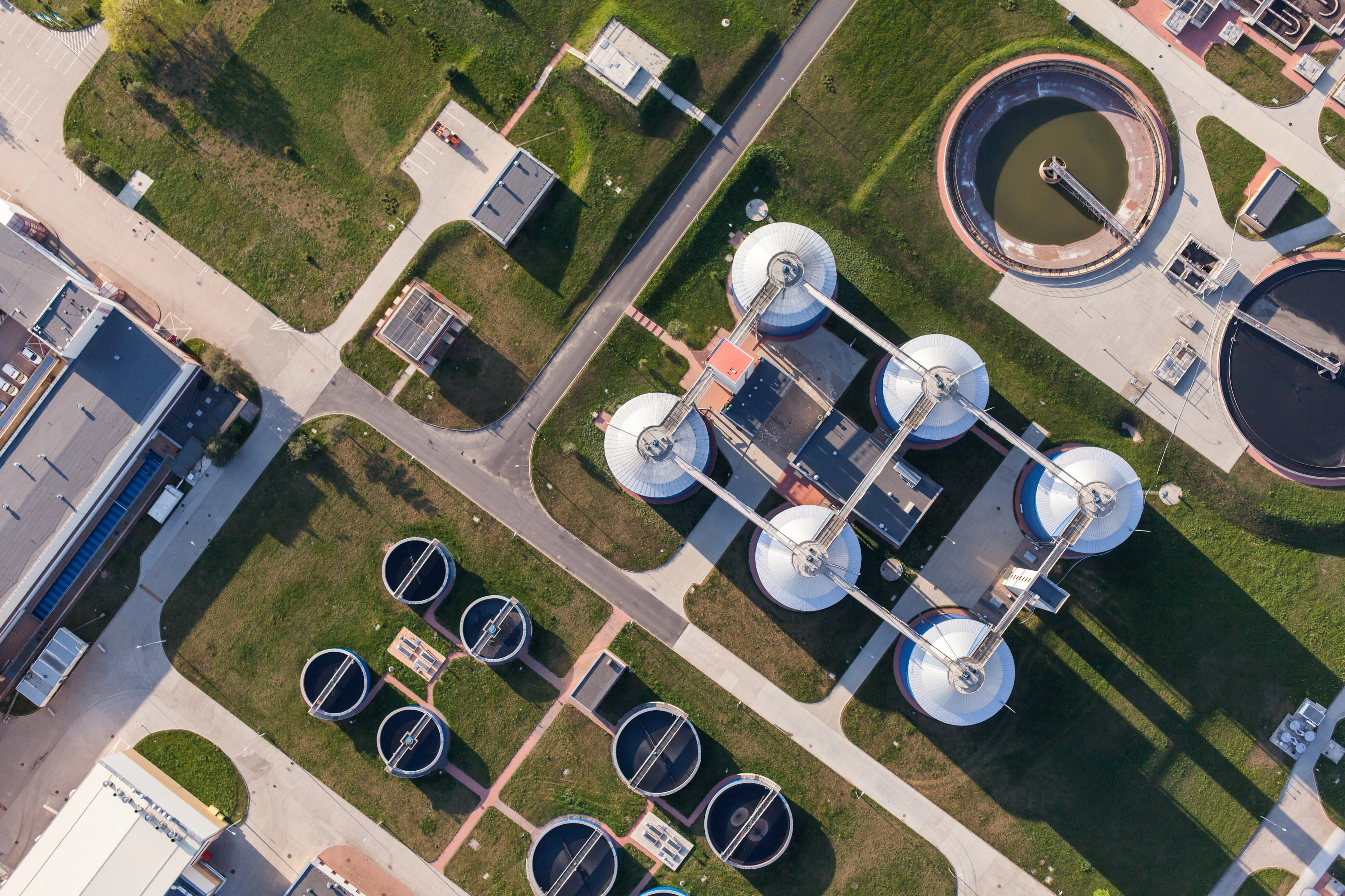
Ozone treatment of wastewater reduces the usage of energy, water, utilities and chemicals, and provides an effective alternative to traditional chemical treatments and older technologies. Pharmaceutical wastewater containing from 0.5% up to 10% formaldehyde or glutaraldehyde can be treated using ozone or ozone, peroxide, UV combinations. Up to 55% reductions in chemical oxygen demand (COD) levels are observed for solutions containing either formaldehyde, glutaraldehyde or a mixture of the two aldehydes when these solutions are treated using ozone or ozone/peroxide/UV combinations.
Wastewater Treatment
Ozone is thorough and effective disinfectant for the organic matter found in waste water. The process removes pesticides, organics (such as organic Nitrogen), Biological Oxygen Demand (BOD) and Chemical Oxygen Demand (COD), Volatile Fatty Acids (VFA), and Sulfur. It significantly decreases odors, offering an economically, environmentally friendly solution.
Benefits of Ozone for Wastewater Treatment:
- Safe and easy to use
- Low maintenance costs
- Ozone is produced on-site and requires no storage of dangerous chemicals
- Ozone requires no additional chemicals
- No cocktail of disinfectants necessary. Micro-organisms cannot build resistance to ozone even after prolonged usage
- Very effective in removing biofilms
- No persistent chemicals. Ozone breaks down to oxygen
- Does not continue oxidizing to the detriment of the fixture
- Ozone will oxidize a surface and form a patina which limits further oxidation
- Ozone is effective in a wide pH range

Farm Water
Aquaculture - Fish Farming & Hatcheries
Ozone disinfection plays an important role in the prevention and elimination of fish diseases in commercial aquaculture systems as well as in the ultimate processing and packaging of seafood products.
Agriculture – Livestock Drinking Water, Greenhouses
Supplying clean drinking water to livestock by removing fertilizers, bacteria and pesticides from their water supply can improve weight gain and improve overall health and production. Increased health of livestock and crops lead to improved productivity, reduced costs and increased profits for producers. Studies by PFRA and other regulatory bodies indicate bacteria free and clean drinking water can increase weigh gains of farm animals by 20% or more. Eggs can have a bad odor if water is not clean. Chickens may stop laying or be less productive if their energy is spent fighting off infection. Supplying clean water to crops in green houses can improve yields and speed up growth rates.
Agriculture – Hydroponics
- The success of a hydroponics crop depends on the quality of the water being used to grow the plants. The benefits of using ozone for hydroponics include:The elimination of hydrogen sulphide (H2S) – higher levels reduce fertilizer effectiveness and promote growth of anaerobic bacteria
- Increased oxygen levels, aiding plant growth
- The elimination of microbes, algae and root born pathogens detrimental to plant health
- Savings on chemical fertilizers
- Higher crop yields
Ventilation Systems
Cooling Towers
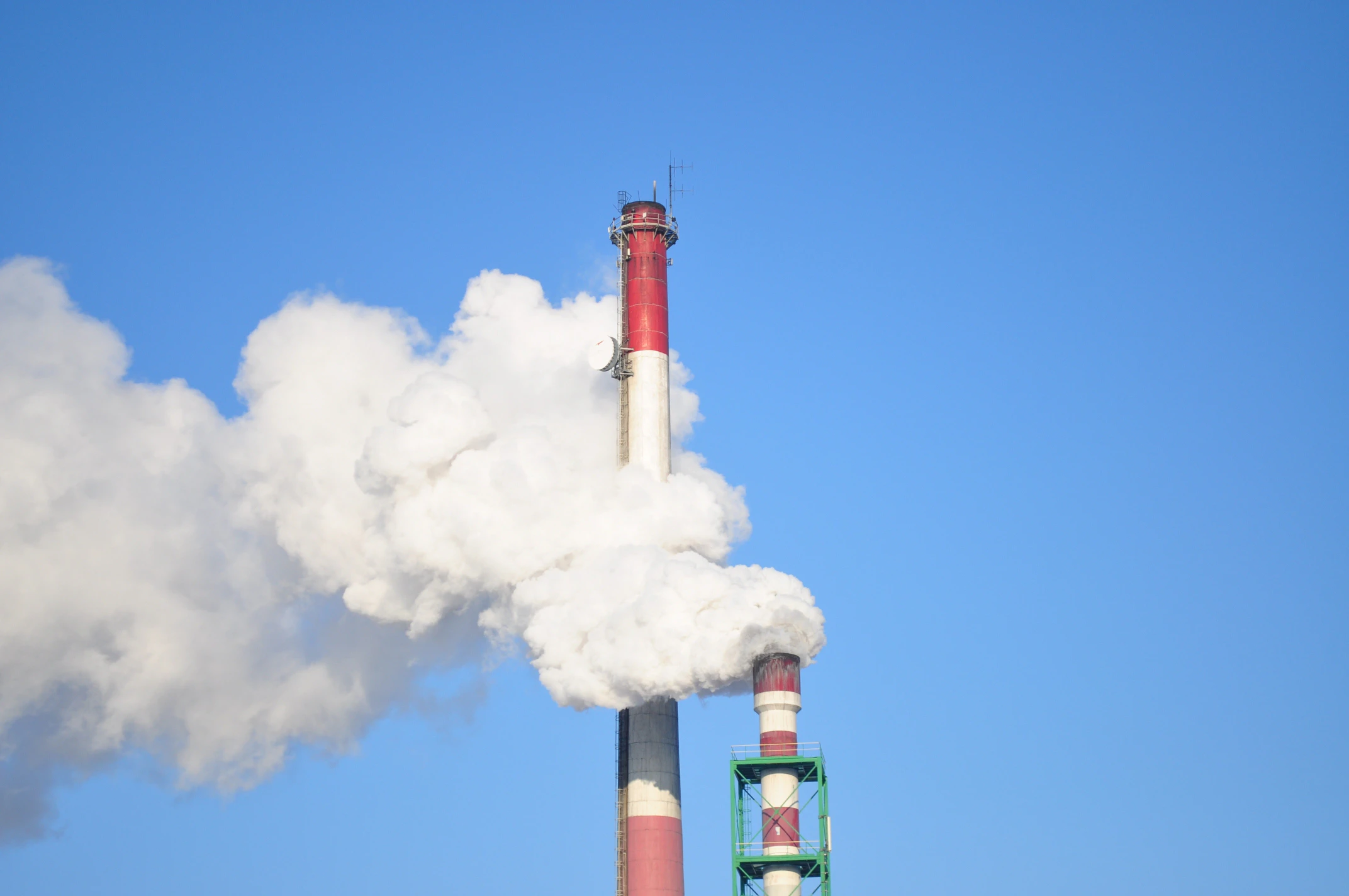
Water treatment is the most important factor in the effective operation of cooling towers, air washers, compressors and other heat exchange equipment. Ozone water treatment equipment is modular, very reliable and in most cases more economical than a good chemical water treatment program. Ozone water treatment means no chemical discharge into sanitary sewer systems, sterilizing the water tank water to eliminate mold/scum, saving on costs and reducing the environmental impact of cleaning with harsh chemicals.
The California EPA considers the use of ozone on cooling towers a “Pollution Prevention Technology” and is generally regarded as safe (GRAS-Approved). It has been proven by the Centers For Disease Control to kill Legionella bacteria faster and more completely for safer cooling tower operation.
This application requires an ambient ozone monitor either on the skid or on the wall next to the generator to shut the generator down in case of a leak. The generator is usually in the same room as the water tank/cooling tower.
Air Washers
Air washers are used in commercial buildings to humidify and dehumidify large volumes of air circulating throughout occupied areas, removing lint/fibers, dust and vapors. Air washers are also used to remove volatile organics from manufacturing processes through the exhaust fumes. As the name implies, air washers pick up organic and inorganic materials that eventually dissolve in the water. In almost all cases the spray water is re-circulated from a central tank. The reservoir must be treated with chemical biocides — both oxidizing and non-oxidizing — to maintain a healthy working environment
Benefits of Ozone for Cooling Towers & Air Washers
- Ozone is an oxidizing biocide approximately 3 times more powerful than chlorine, acting thousands of times faster
- Ozone reverts back to oxygen in a very short time with only a small residual retained in the water
- Ozone and tower water blowdown will provide the sole treatment with no additional chemicals added in most cases
- Unlike non-oxidizing biocides, bacteria cannot develop immunity to ozone
- When properly dissolved and diluted, ozone does not harm cooling system metals, pump or valve components – no more cleaning of chiller tubes to remove biofouling
- No chemical residual in the blowdown means no chemical storage, handling, transportation, liabilities, secondary containment, MSDS records, eye wash stations or concerns for workers on site
- Automated equipment can be tied into Building Management System for remote monitoring

Recreation
Pools & Spas
Ozone is an effective disinfectant that can be safely applied to public swimming pools in conjunction with chlorine. Water clarity and quality is improved in the pool after ozone’s potent and rapid oxidation (to which microorganisms cannot become immune).
Ozone is a potent broad spectrum antimicrobial oxidizer that when properly sized and applied to any swimming venue will:
- Control potentially harmful chloramine levels in the water
- Provide micro-flocculation which aids filtration
- Allow residual FAC for continuous in-pool swimmer protection from pathogens
- Aqueous Ozone as a Surface Sanitizing spray for locker rooms, shower, bathrooms and ancillary pool equipment is also possible.
An ambient monitor is required in the mechanical room in case of a generator leaks. Aeroqual ozone monitors can shut down the O3 generator with options to trigger an alarm and or display prior to entering the mechanical room.
Aquariums & Zoos
Large municipal aquariums and zoos disinfect water with ozone to protect different species from infection and from water borne diseases. Ozone destroys bacteria, inactivates viruses, and oxidizes organics. The water is clean and clear and safe for the animals.
Commercial
Commercial Laundries
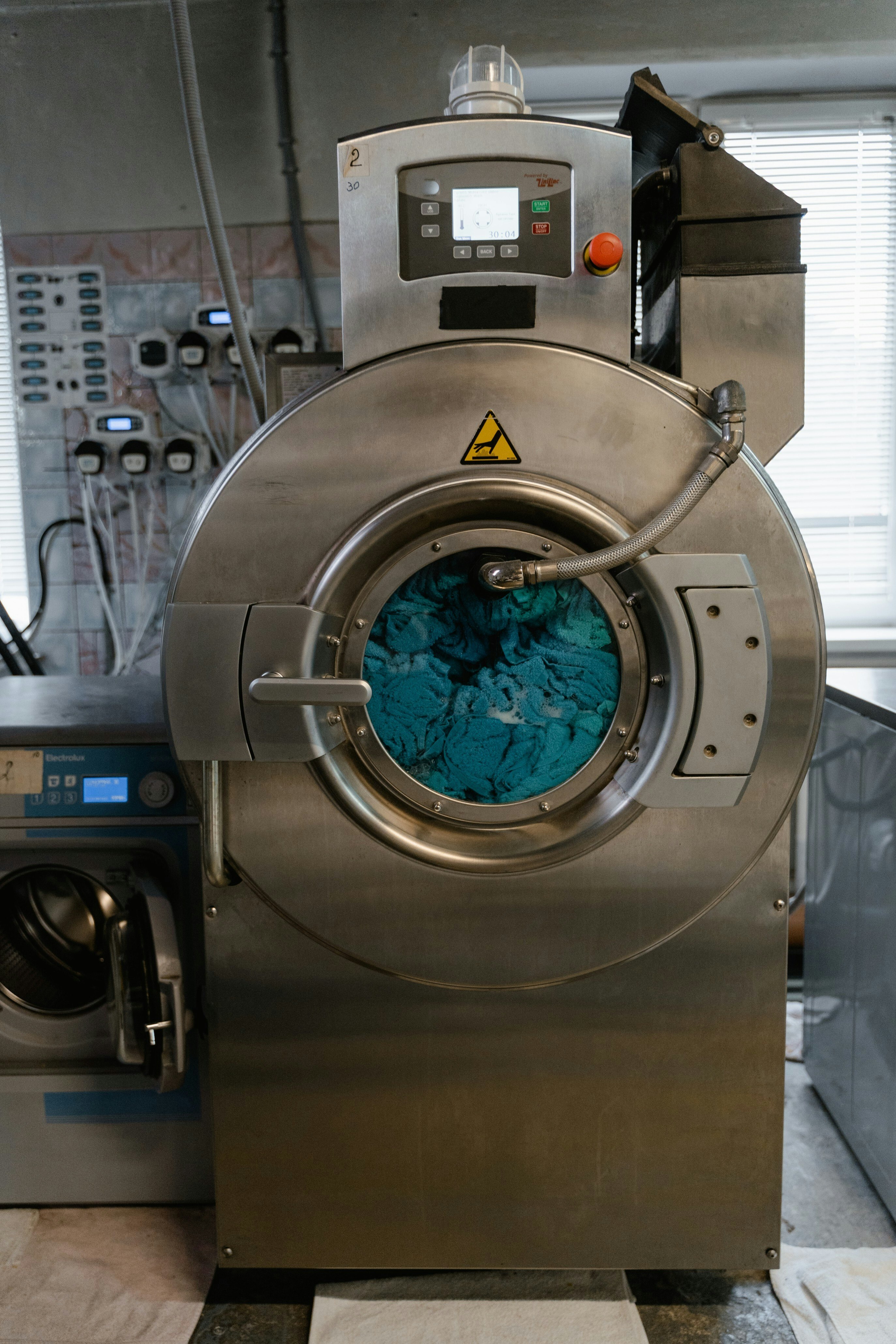
Ozone is now being implemented in many commercial and institutional laundries. The advantages of an ozone laundering system include:
- Reduced environmental impact via effluent waste water
- Improved laundry quality – whiter, fluffier laundry, extended linen life, better deodorization
- Saves energy and detergent, while providing superior disinfection
- By using mostly cold water, business operational costs can be reduced up to 50%.
- Typically < 2-year payback time
- Shorter cycle times
Ozone generators can be added on to conventional laundries, so no major changes to existing installations are necessary.
Ambient ozone monitors should be installed near the ozone generator (on a skid or wall mounted) to shut the generator down in case of a leak and also in the laundry area where people are working.

Industrial
Soil & Groundwater Remediation
Typical Ozone applications include:
- Residential & commercial gas and oil spill remediation
- Gas station, refinery or oil well remediation
- Shoreline & brown-field remediation
- Salt & hazardous chemical spill contamination remediation
- Train & tractor trailer spill remediation
- Groundwater remediation
Systems are typically built into 20’ steel cargo containers for stationary installation or a trailer for mobility, or can be provided as component assemblies to install in a job site building. An ambient monitor should be installed in the container/trailer to shut the O3 generators down in case of leaks.
Ozonated water from the trailers is carried by pipes or hoses and sprayed into the soil via probes or wells.
Ozone will rid contaminated soil of a variety of pollutants such as:
- MTBE (Methyl-Tertiary-Butyl-Ether)
- Hydrocarbons
- Diesel
- Pesticides
- VOCs (Volatile Organic Carbons)
- Benzene, Toluene, Ethylbenzene, Xylene
- Tricholoroethylene
- Aromatics
Benefits of Ozone Soil Remediation include:
- Treatment is done on site
- Treatment causes minimal physical disturbance to the site
- Low capital cost
- Low operating costs
- Fast reaction rates




Useful Links
Ozone monitoring made easy
Ensure worker health and safety with real-time defensible data you can trust.