





AirCal 1000 – Portable Calibrator
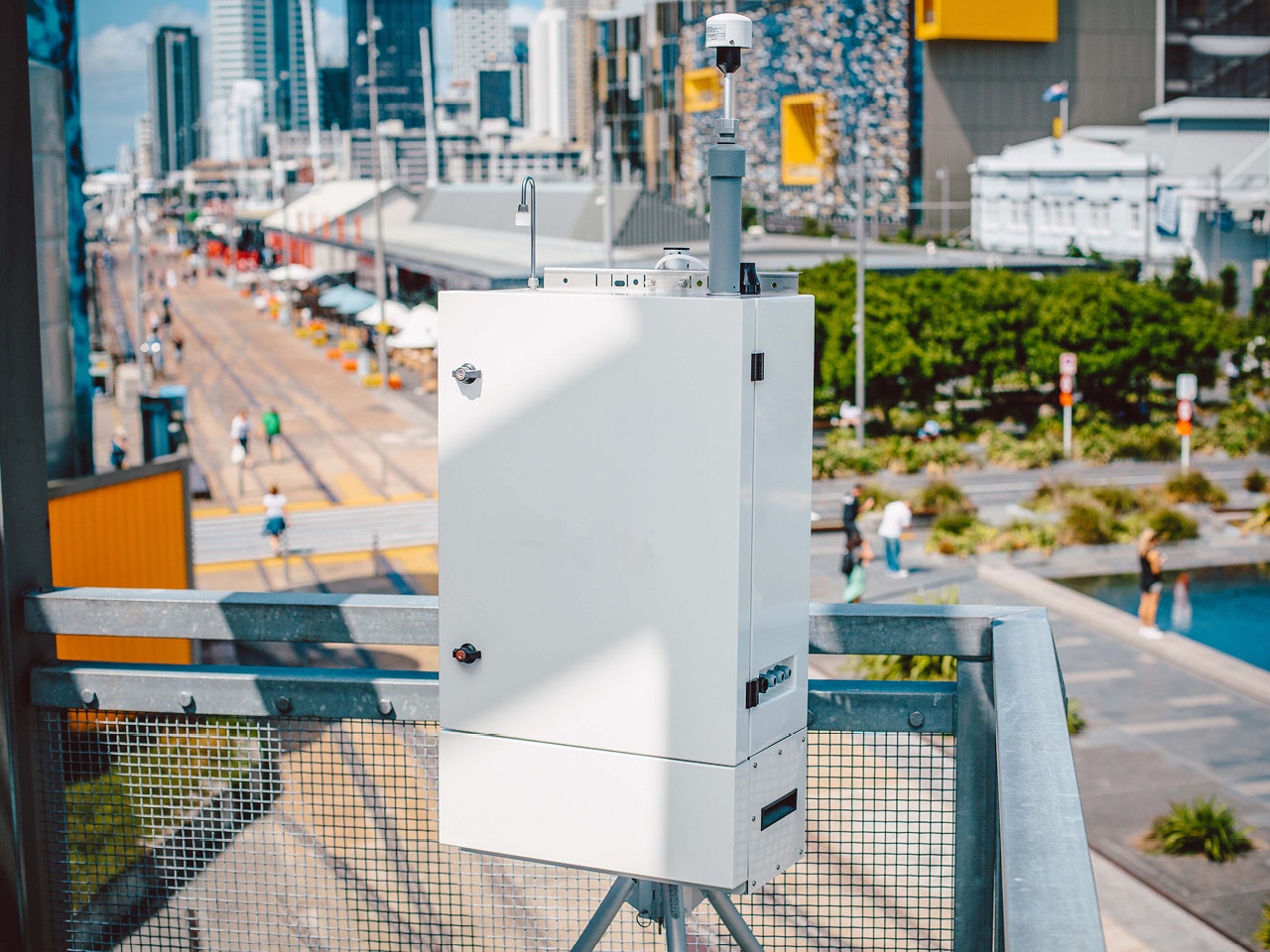
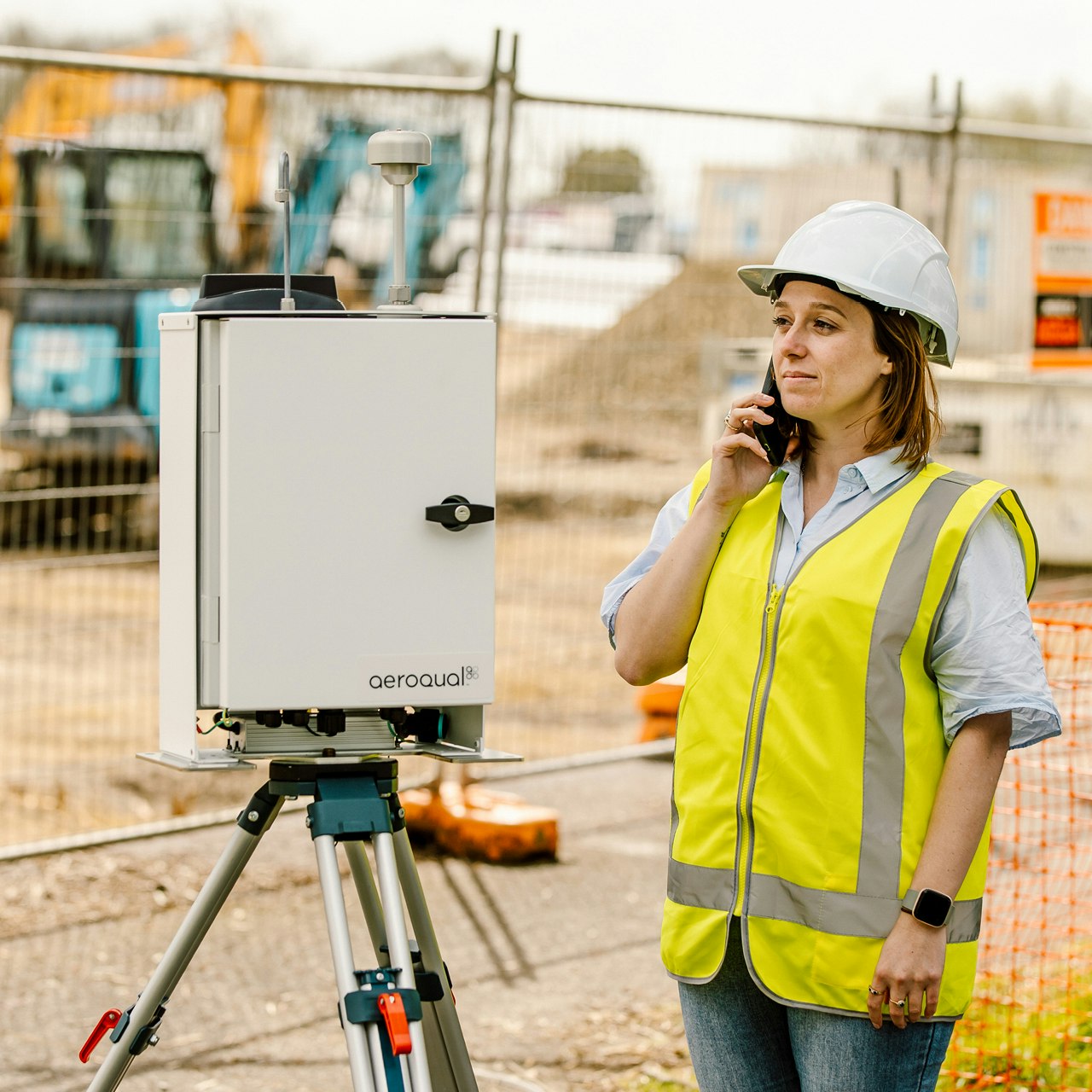
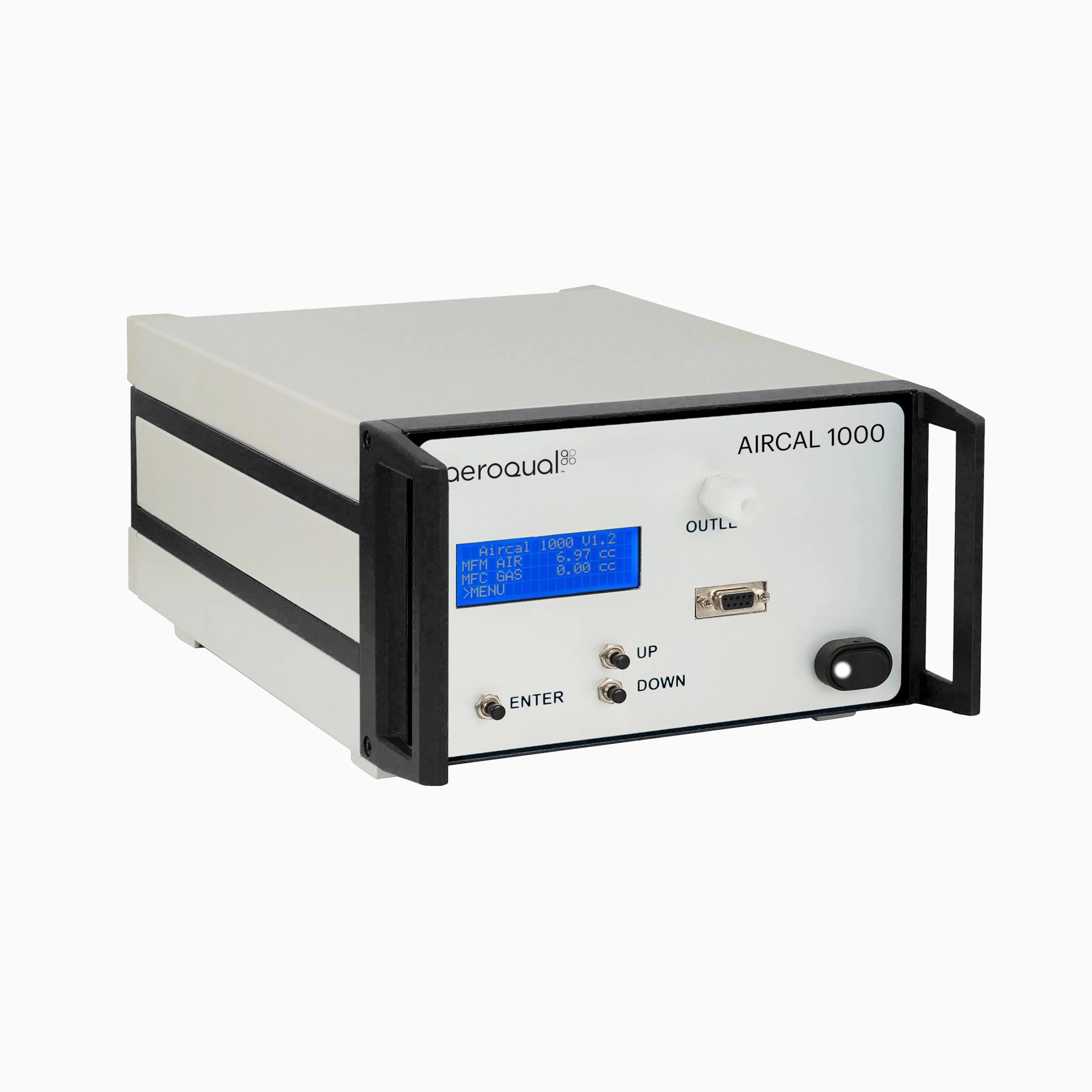
Designed for use with the AQM 65 compact air quality monitoring station, the two-channel AirCal 1000 is a portable calibrator that includes integrated gas diluter and zero air source with traceable mass flow controller and mass flow meter. The calibrator is capable of generating zero and multi-point span test mixtures for the calibration of gas modules within the AQM 65 enclosure. The AirCal 1000 can also be used to calibrate ambient air quality monitors not manufactured by Aeroqual.
Compared to other calibrators the unit is compact and lightweight. It is supplied with the relevant tubing and fittings for calibration and comes in a durable carry case for portability. PC software comes bundled in with the AirCal 1000 allowing for seamless calibration of the AQM 65 station.
Features
- Automatic and manual zero checks
- Automatic and manual span checks
- NIST traceable mass flow meter and controller
- Automatic logging of time, flow rates, and port status during operation
- Integrated Zero Air Generator
- Two-span gas inlets
- Lightweight and portable
- Easy replacement of zero air scrubbers
What's included
- Aircal 1000 Portable Calibrator
- Robust carry case
- Calibration tubing and fittings
FAQs
A calibrator is used to verify and adjust measurement instruments to ensure they produce accurate, reliable results. In air quality monitoring, calibrators like the AirCal 1000 are used to generate known gas concentrations to check and calibrate gas sensors against traceable standards.
The best calibration tool depends on the monitoring application. For ambient and fenceline air quality monitoring, a portable gas calibrator with traceable flow control and an integrated zero air source—such as the AirCal 1000—is ideal for accurate, defensible calibration of gas modules.
Using a calibrator typically involves connecting the instrument to the calibrator, generating zero air and known span gas concentrations, and verifying or adjusting the monitor’s readings. The AirCal 1000 supports both automatic and manual calibration workflows, with digital logging for traceability.
Five-point calibration generally refers to checking the instrument response at multiple concentration levels, such as zero, low, mid, high, and full-scale. This approach helps confirm linearity and accuracy across the full measurement range of a gas sensor.
Calibration is used to:
- Verify measurement accuracy
- Correct sensor drift over time
- Provide defensible, traceable data for regulatory or quality assurance purposes
Common mistakes include using non-traceable gas sources, skipping zero checks, incorrect flow settings, and failing to document calibration results. Using an integrated system like the AirCal 1000 helps reduce these risks through controlled flow and automatic logging.
Multi-point calibration is used to confirm that a monitor responds correctly across its operating range, not just at a single concentration. This is especially important for air quality monitoring, where pollutant levels can vary significantly.
Calibration errors can be minimized by using traceable calibration equipment, following manufacturer-recommended procedures, performing regular zero and span checks, and maintaining clear digital calibration records.
Real-time air monitoring made easy
Take the time and hassle out of your next project with a real-time air quality monitoring solution.


