










Solutions
Odor Control
Safely neutralize odor-creating bacteria and contaminants with a real-time ozone monitoring system.

Indoor Air Quality: Air Purification
The U.S. Environmental Protection Agency (EPA) says that poor indoor air quality is one of the USA’s biggest environmental health concerns. In fact, they estimate that the air you breathe inside your home or business is typically 4 to 40 times worse than the air outside. Many countries' citizens spend over 90% of their time indoors. The air inside retains odors from a number of common sources, from cooking and waste to pets and smoke. These types of contaminants present air quality challenges for even the best-kept homes or tightly run businesses, especially when windows are kept closed while heating and air conditioning units run year-round. Stale air is trapped and recirculated throughout the house or building. Even though ventilation systems have filters, these particulate filters are only designed to physically trap larger airborne particles, like dust and dander. They are not effective with bacteria, viruses, mold, or microscopic contaminants that can cause odor.
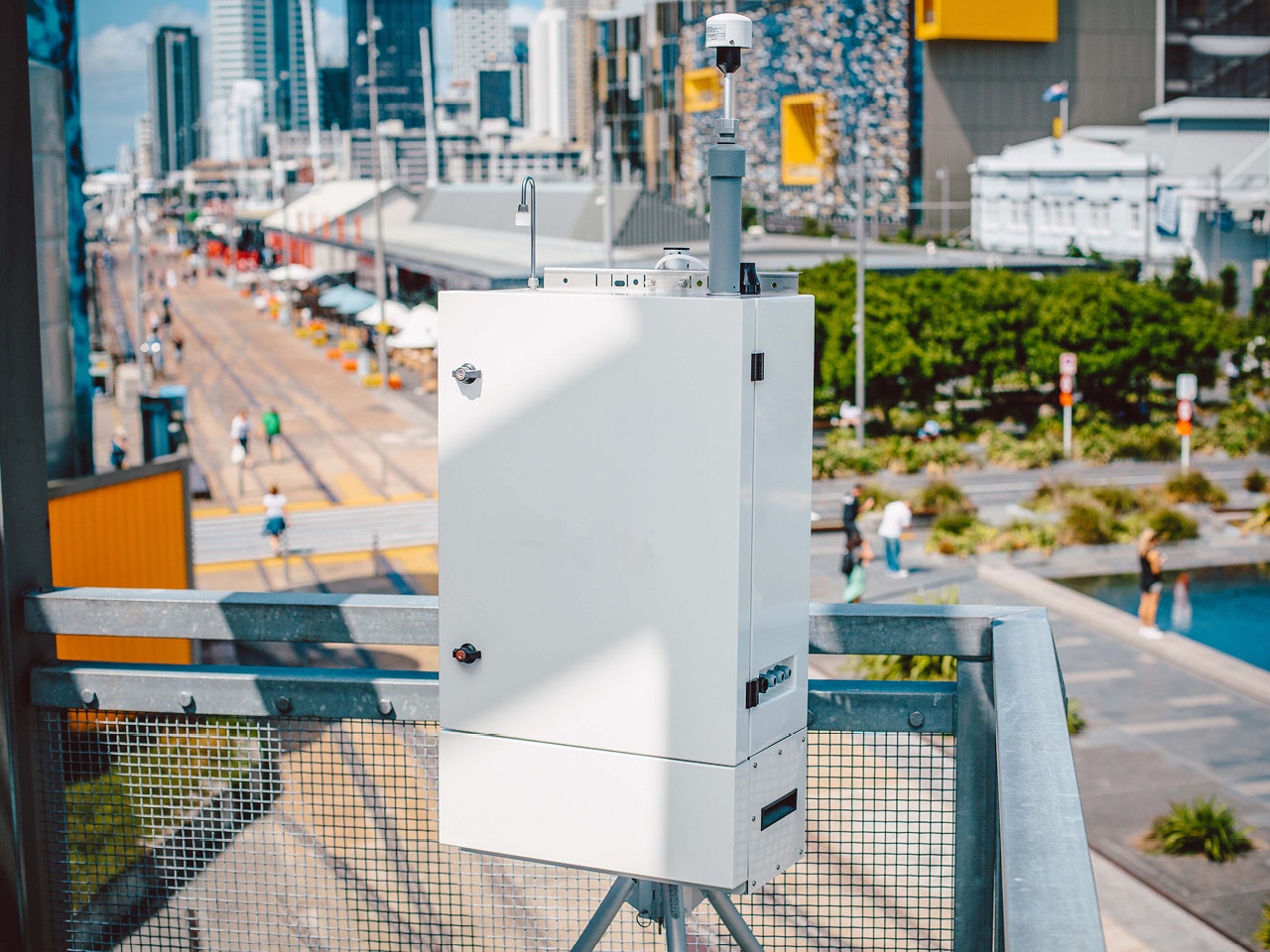
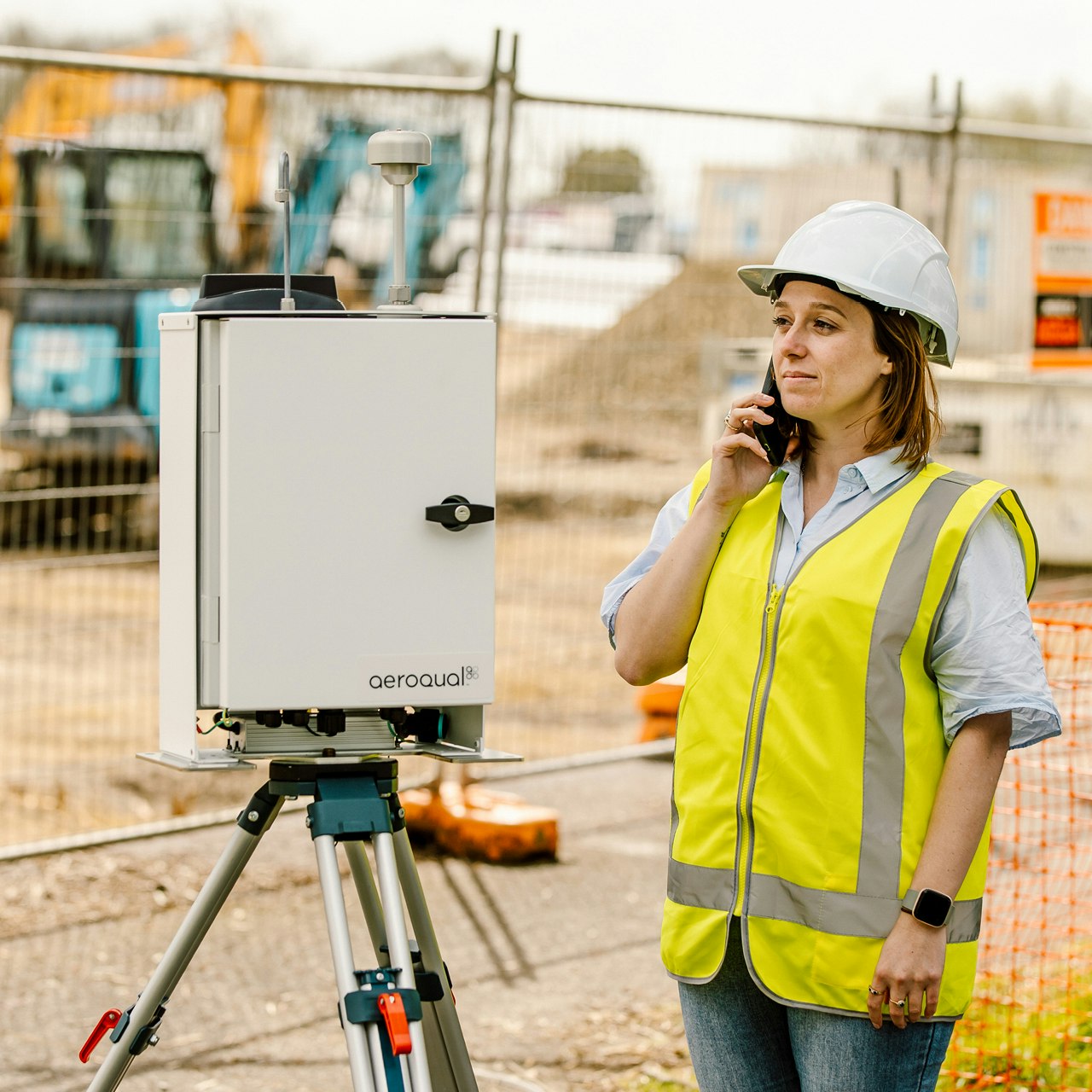
Ozone systems are available that offer a variety of air treatment systems for commercial and residential applications that can reduce many of these indoor pollutants. One method is to ozonate the air circulating through HVAC duct systems. After the air is scrubbed, an ozone ambient monitor is required to make sure the cleaned air entering a room where people may be located contains no residual O3. Other devices are designed to destroy and prevent mold and other microbial growth from rooftop fan coils, walk-in a/c coils and the air.
Regulations on Human Ozone Exposure in Occupied Spaces
Health Canada regulations say that 24/7 human exposure to Ozone should be no more than a daily time weighted average of 40ppb and the FDA says no more than 50ppb.

Deodorization of Trash & Garbage
In workplaces, commercial office buildings, condominiums, shopping centers, health clubs, and apartment buildings, air applications of ozone are used in the trash rooms to reduce the microbial count and at the same time reduce odors. An ambient ozone monitor in the trash room is used to ensure ozone levels are sufficient to remove odors and not too high should people enter the room. Some companies offer remote reporting to building owners & managers.
Deodorization of Effluent Water
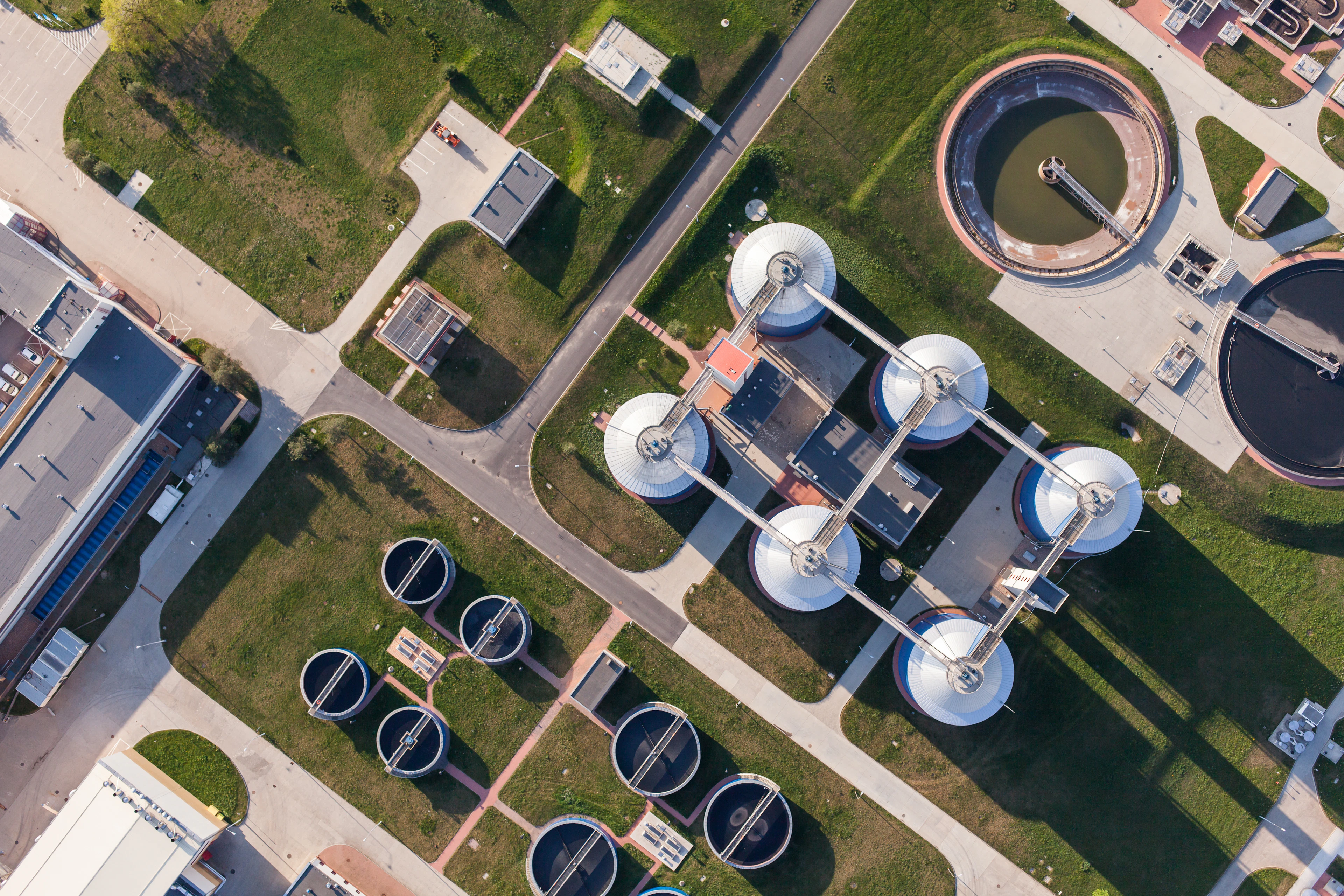
Ozone neutralizes hydrogen sulfide and other odors from lift stations, wet wells and sewage treatment plants. Ozone may be delivered into headspace via direct injection or a blower for in-situ odor control, or odors may be exhausted into a contact chamber for ex-situ treatment. A contact chamber is used when treating odors from a sewage treatment plant. Food and industrial processing odors are also controllable through neutralization with ozone. Ozone is consumed in the reaction process, so with proper dosage in relation to the odor load and sufficient reaction time, the end result is no odor and no ozone residual. The contact time for O3 reaction with H2S is generally accepted as 20-30 seconds. A typical ozone system consists of an ozone generator, a source of compressed air, and an air dryer for ozone generator feed gas preparation and a contact chamber.
Systems should have ozone monitors and modulating controls to regulate ozone production. An ozone contact chamber is utilized to provide reaction time that is not achievable in a stack or duct. Ozone is introduced into the contact chamber by a sparger inserted in the odor supply duct. This injection point may be at the entrance to the contact chamber or further upstream of the odor supply duct. If ozone is being introduced into a smaller scale (wet well) this application is often designed for ozone to be delivered directly into the headspace of the wet well. Since ozone is heavier than air, if it is introduced near the water surface, an ozone blanket will form. As odors escape from the water they are oxidized.


“We have tried several other monitors, but the plug-and-play setup of Aeroqual's system makes it very easy for us to install and use.”
Jannik K. Hansen
Project Sales Manager – JIMCO A/S



Related products

Ozone monitoring made easy
Ensure worker health and safety with real-time defensible data you can trust.