






Modules

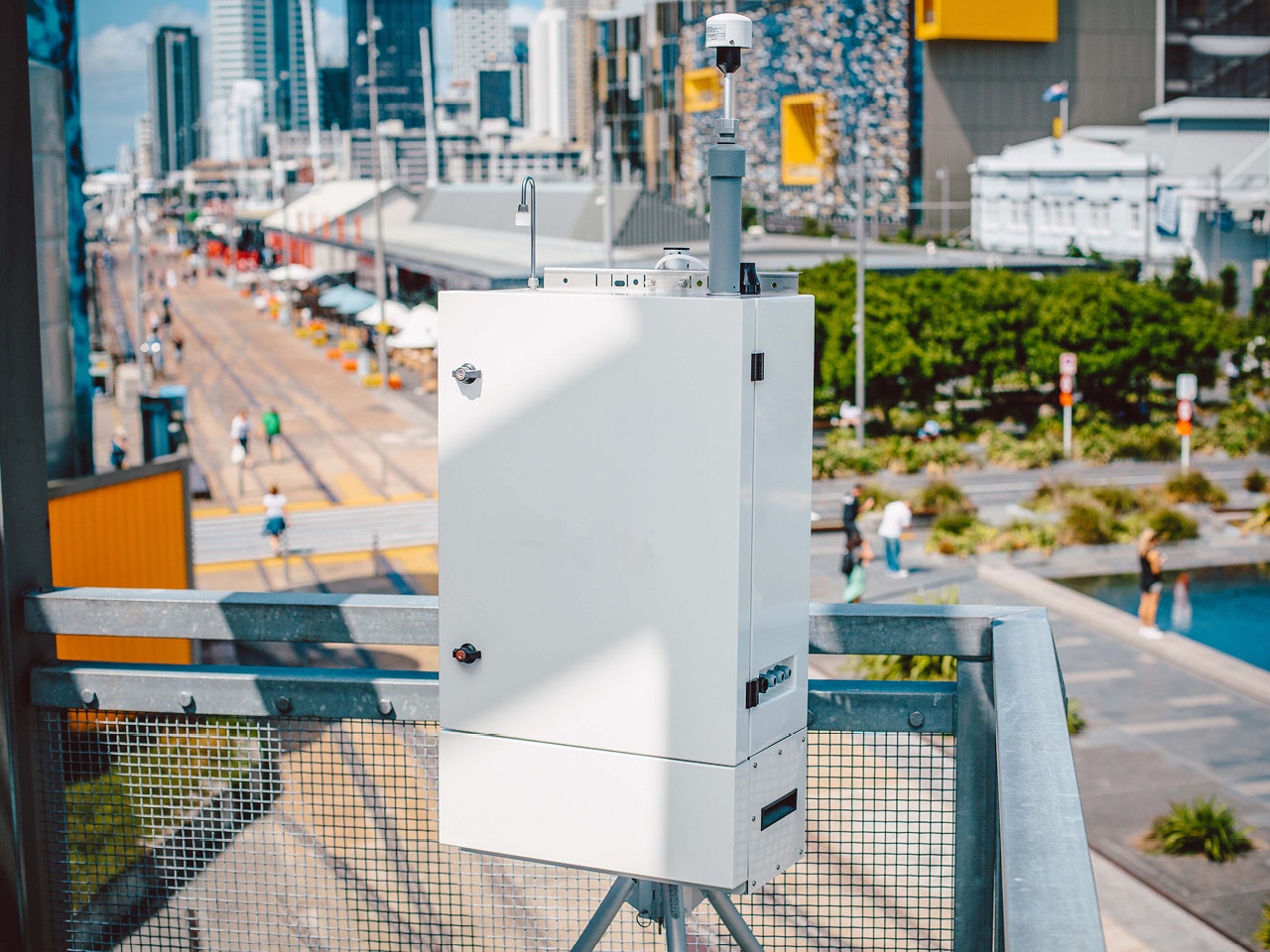
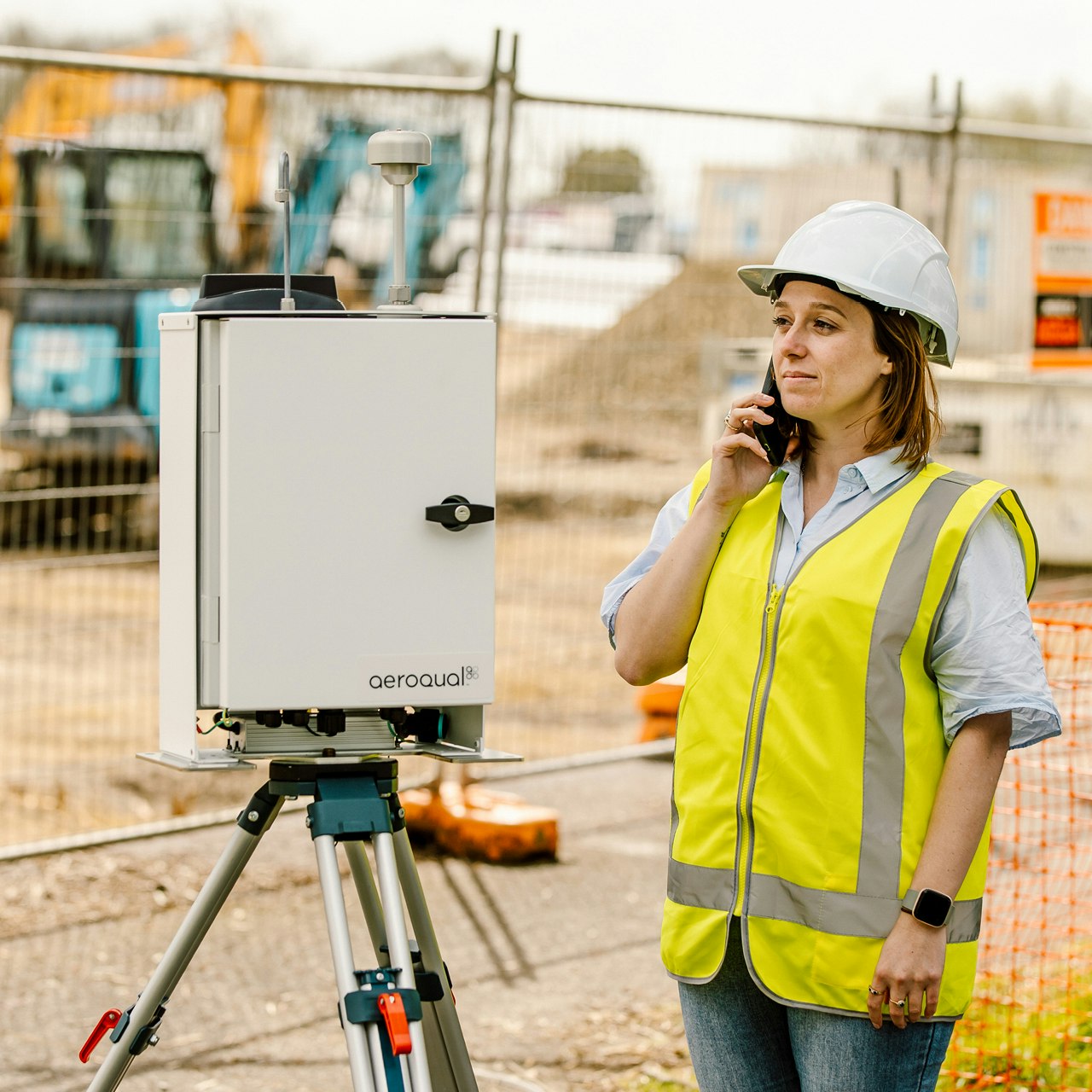
Gather accurate, real-time air quality data on a range of pollutants with our cutting-edge fixed air monitoring modules.

A little about our modules

Understanding emissions sources and developing an effective mitigation plan requires access to accurate, real-time air quality data. Our fenceline and ambient air monitoring solutions feature a series of cutting-edge modules, measuring everything from methane to carbon dioxide, volatile organic compounds (VOCs), ozone, hydrogen sulfide, and more.

Our gas pollutant modules can be field calibrated using standard calibration equipment and reference gases, ensuring calibration is fully traceable to international standards. Gas modules contain a proprietary flow design that minimizes baseline drift, with sampled air filtered through a proprietary scrubber to reduce interferences. Particulate matter (PM) modules include our particle sensor, combining a laser nephelometer with a high-precision sharp cut cyclone, and our PCX module, delivering simultaneous measurement of multiple PM size fractions.

Particulate matter:

PM1, PM2.5, PM4, PM10, TSP

Gases:

CO, CO2, H2S, CH4, NO2, O3, SO2, VOCs, benzene, nitrogen oxides (NOx)

Select...
Sort by Recommended

No results

FAQs

A nephelometer is an air-quality instrument that measures particulate matter by detecting light scattered by particles suspended in the air, and is commonly used to estimate dust and aerosol concentrations.

Nephelometry is a measurement method based on the amount of light scattered by particles in the air, used in air quality monitoring to quantify particulate matter such as PM10 and PM2.5.

A nephelometer shines a light through sampled air and measures the light scattered by particles. The intensity of scattered light is used to calculate particulate concentration.

Nephelometers measure airborne particulate matter, including dust, smoke, and aerosols, and typically report results as PM10, PM2.5, or Total Suspended Particulates (TSP).

A nephelometer estimates particle mass based on light scattering, while a particle counter measures and counts individual particles by size. Both are used for different particulate monitoring needs.

A NOx sensor measures nitrogen oxides such as NO and NO₂, which are common air pollutants produced by combustion processes and regulated due to their health and environmental impacts.

Yes. Nitrogen dioxide (NO₂) can be both a primary pollutant emitted directly and a secondary pollutant formed through atmospheric reactions involving nitrogen oxides.

Air quality monitoring modules can measure particulate matter (PM1, PM2.5, PM10, TSP) and gases such as CO, CO₂, NO₂, NOx, O₃, SO₂, VOCs, methane, and benzene, depending on configuration.

Real-time air monitoring made easy

Take the time and hassle out of your next project with a real-time air quality monitoring solution.

Talk to us about your project