










Particle Sensor (Nephelometer)
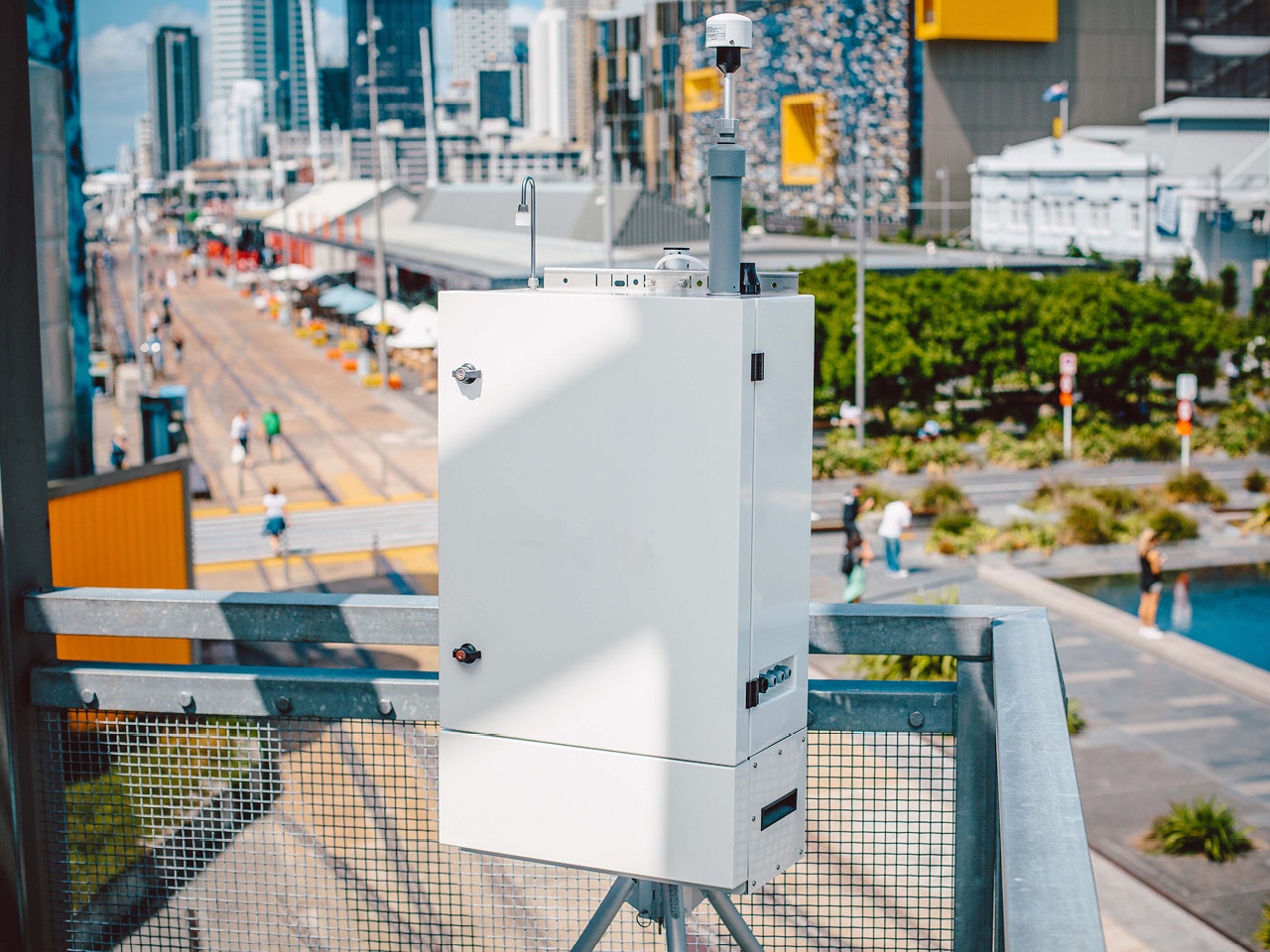
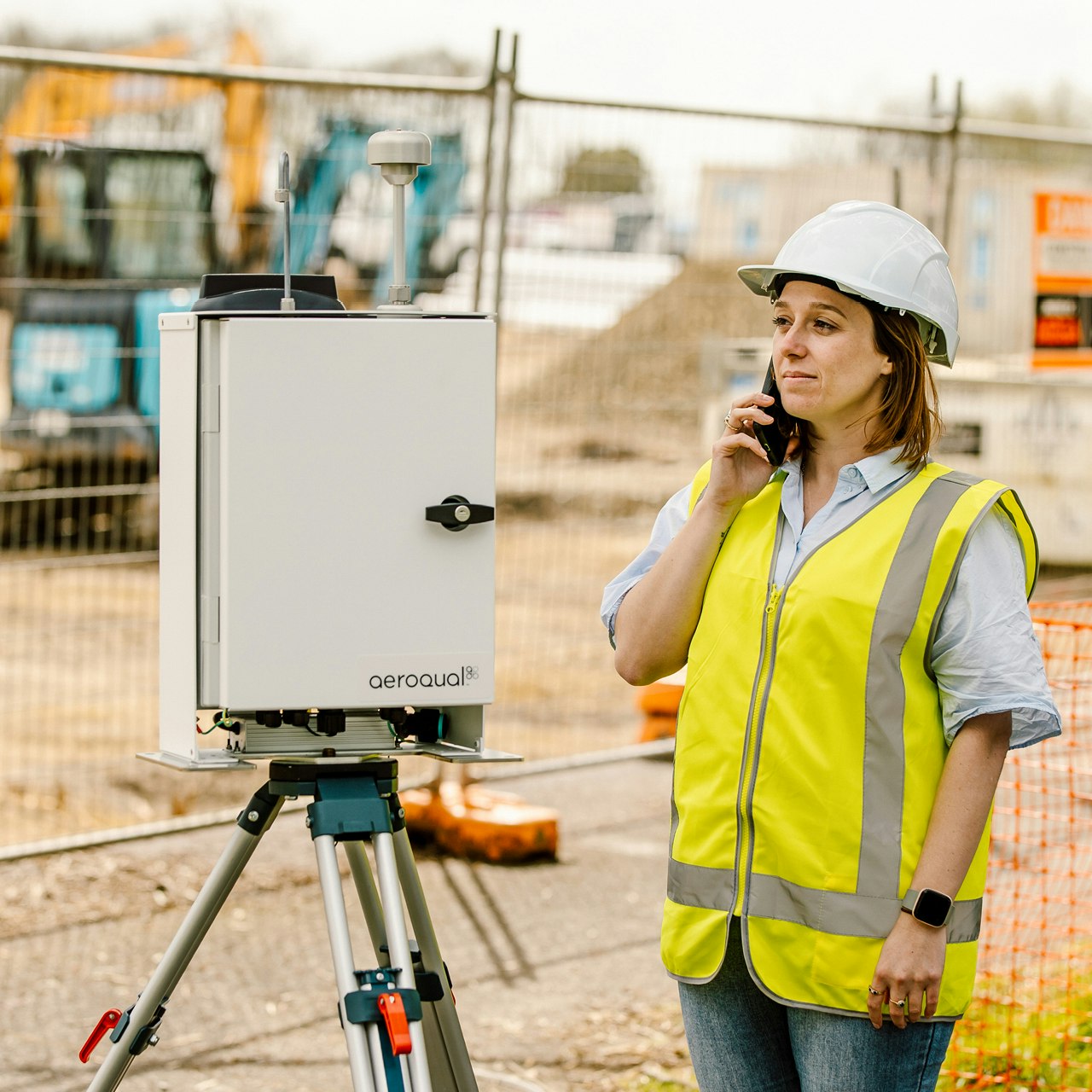
The particle sensor can be integrated into the AQM 65 or AQS 1 along with gas analyzer modules to give continuous and simultaneous measurement of dust/particulate and gas.
Learn more about particulate matter (PM) measurement principles, specifications and performance on the PM measurements page.
Nephelometer specifications
Sensor Code
AQM: AQM PMT/ PM10/ PM2.5
AQS: AQS PMT / PM10 / PM2.5
Range
0-60,000 μg/m3
Sensor Type
Laser Nephelometer
Accuracy
< ± (2 μg/m3 + 5% of reading)
Flow Rate
2L per minute
Lower Detectable Limit (2σ)
< 1 μg/m3
Industry-leading technology
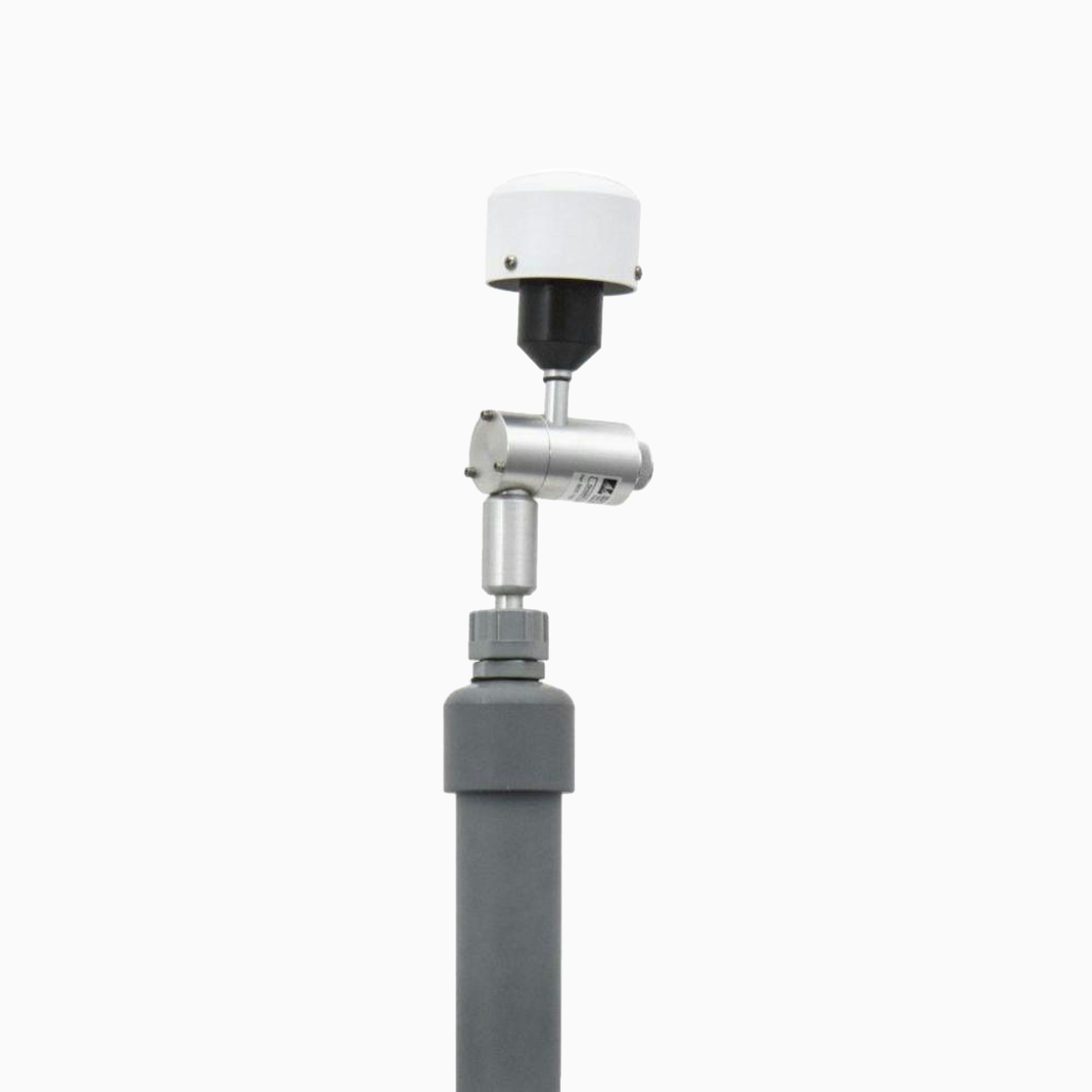
The sensor combines a laser nephelometer with a high-precision sharp cut cyclone to give accurate real-time measurement of ambient particulate matter. By changing the sharp cut cyclone the particle sensor can be used to measure PM2.5, PM1 or TSP. For simultaneous measurement see the Particle Profiler.
A nephelometer is an optical sensor that uses light scattering from particulate matter to provide a continuous real-time measurement of airborne particle mass. The light source is a visible laser diode and scattered light is measured in the near forward angle using focusing optics and a photo diode. The nephelometer has an on-board temperature sensor that corrects for thermal drift, sheath air filter to keep the optics clean, automatic baseline drift correction, and a fibre optic span system to provide a check of the optical components.
The sharp cut cyclone is a precision-engineered component fitted to the AQM 65 inlet that physically selects particles of a target size e.g. PM10 targets particles <10 microns. This ensures precise measurement of only the size fraction of interest. The inlet is fitted with a heater that is used to remove moisture from the incoming sample. Moisture can reduce the accuracy of optical measurement, so for best results the inlet heater is activated in the event of high humidity.
Good value
Compared to reference instruments such as a beta attenuation monitor (BAM) this particle sensor based on nephelomtery is compact, lightweight and costs 3-5 x less to own and operate. In addition, data is measured, logged, and reported at one-minute intervals.
Typical applications
Typical applications include:
- Urban and national ambient air quality monitoring
- Roadside and near roadside monitoring
- Industrial perimeter monitoring
- Mine and quarry boundary monitoring
- Checking pollution ‘hotspots’
- Air quality research
Servicing
Keep calibration up to date without the downtime. Maintaining an up-to-date calibration certificate gives you and project stakeholders confidence in the data from the air monitoring instruments. Our Hot-swap Service makes the process of factory calibration easy. We send you a freshly calibrated module from our stock. You replace the old module with the new one and send the old one back to us. And that’s it – calibration all up to date and zero downtime.
Read full details on the Aeroqual Hot-swap Service page.
Real-time air monitoring made easy
Take the time and hassle out of your next project with a real-time air quality monitoring solution.