







Case Study
Building lasting change through Suriname’s air quality monitoring capabilities
ILACO, a leading consultancy and engineering firm in Suriname, is helping to strengthen national air quality monitoring and grow awareness of its importance.

Project Details
Project
Suriname Air Quality Monitoring
Location
Suriname
Date
2016 - 2026
Services
Aeroqual AQS 1, Aeroqual Ranger, Series 500
Measurements
CO2, NO2, O3, SO2, VOCs, PM10
Sector
Urban Air Monitoring
ILACO, a leading consultancy and engineering firm in Suriname, is helping to strengthen air quality monitoring in the country. Located on the northeast coast of South America, Suriname does not yet have its own national air quality standards. In recent years, however, awareness of air quality and its potential public health impacts has grown significantly. New environmental legislation requires many, if not all, industrial projects to conduct environmental impact assessments (EIA’s) and, where required by the national environmental authority (NMA), baseline environmental monitoring.
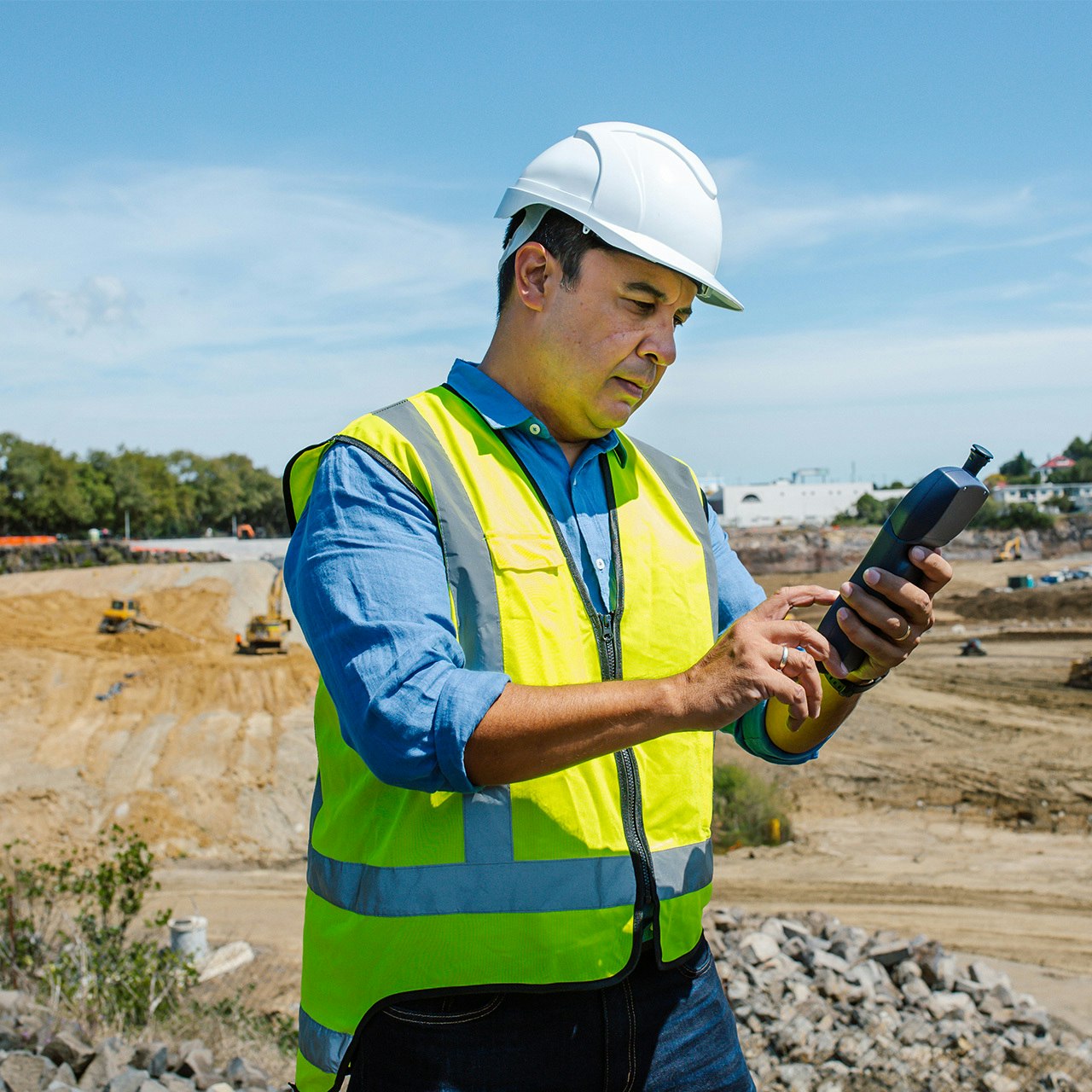
In one recent example involving construction of a large-scale waste treatment plant, Suriname’s local authority assigned a “Category A” rating to the project. As the highest of three possible rating levels, a Category A project requires baseline air quality monitoring of at least six key pollutant types: particulate matter (PM), sulphur oxides (SOx), nitrogen oxides (NOx), carbon oxides (COx), volatile organic compounds (VOCs), and ozone (O3). To conduct these measurements, ILACO chose the Aeroqual AQS 1 Air Quality Monitor. Previously, ILACO also used an Aeroqual Series 500 handheld monitor equipped with interchangeable sensors for measuring CO₂, SO₂, and particulate matter. In May 2026, ILACO upgraded to the Aeroqual Ranger, a more advanced portable air quality monitoring instrument. In addition, ILACO acquired a new Vaisala weather station to record meteorological conditions relevant to interpretation of the air quality measurements.
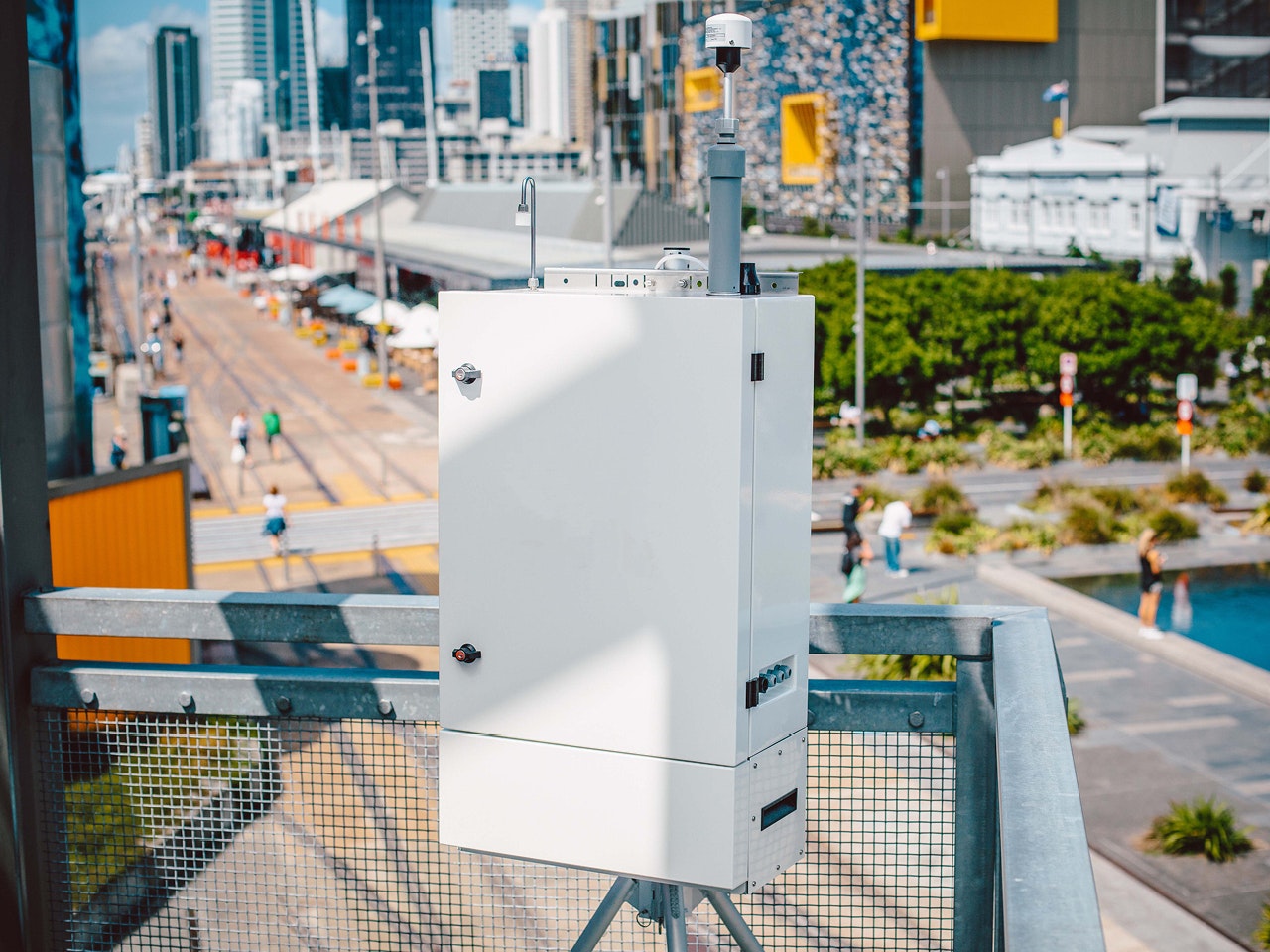
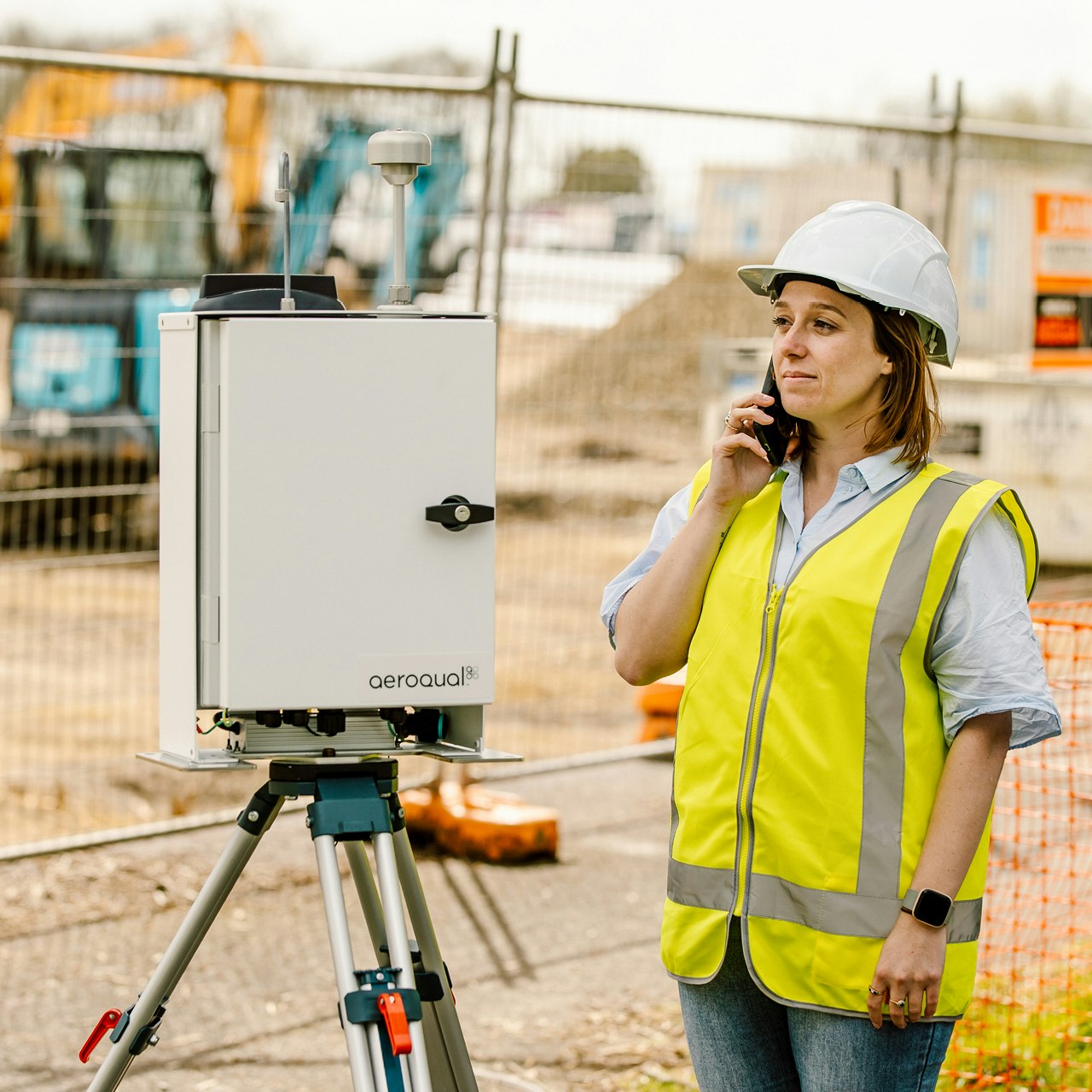
Described as the “ideal setup” by Shareen Koenjbiharie, head of ILACO’s environmental department, the AQS 1 enables simultaneous measurement of particulate matter and a range of airborne gas pollutants. ILACO typically deploys the compact AQS 1 at a monitoring location for five to seven days, capturing variations in air quality across the week. Results are then interpreted alongside meteorological data and measurements from nearby locations to build a robust baseline picture.

ILACO installed an Aeroqual AQS-1 2575 dust profiler equipped with a Vaisala WXT530 weather station at the construction site of the waste treatment plant. Continuous measurements of particulate matter (PM), sulphur dioxide (SO₂), nitrogen dioxide (NO₂), and ozone (O₃) were conducted during the dry season between 18 and 26 September 2026. The monitoring instrument was rotated between three locations, with measurements conducted for approximately five days at each location. Land use in the surrounding area is predominantly residential, with commercial activities interspersed throughout.
In the absence of national air quality standards, ILACO uses the World Health Organization’s (WHO) global air quality guidelines as a key reference point when interpreting monitoring results. As the only company in Suriname equipped with the technology and trained personnel to conduct these assessments, ILACO is regularly asked to carry out air quality monitoring for qualifying projects nationwide, including projects for which it is not the lead consultant.
Project challenges
-
Remoteness
Some of ILACO’s biggest day-to-day challenges are linked to Suriname’s location and the remoteness of many monitoring sites. These challenges range from accessing technical support and servicing to reliably powering instruments in the field. Although Aeroqual’s instruments can be calibrated in the field, ILACO chooses to send them to Europe for calibration by its Netherlands-based supplier, Enviromen BV, providing additional assurance that calibration is performed in line with applicable ISO requirements. "Sometimes several instruments and parts need to be shipped to different locations, whether to our supplier, Enviromen, in the Netherlands, or directly to Aeroqual”, said ILACO Project Engineer Amar Nakchedi. Shipping equipment to and from Suriname can take one to two months because of geography and carrier availability, making careful calibration planning and preventive maintenance essential to avoiding downtime.
“Thankfully, the service provided by Bendert and the entire Enviromen team has been excellent”, said Shareen Koenjbiharie. “From travelling to Suriname to provide hands-on coaching on the newer instruments, to promptly responding to any technical queries, having that reliable base of support from our supplier is key, especially when local, on-the-ground technical support is limited."
Access to power sources
“Another practical challenge is maintaining reliable access to power sources in the field, especially at remote monitoring sites”, said ILACO Project Engineer Jan Burger. Although the AQS 1 supports mains, solar, and battery power, not every option is suitable for every location. “Driving to a site every day simply to change a battery isn’t always feasible, especially when a small engineering team is managing several projects at once", added Amar Nakchedi. Solar panels can also be impractical because of the risk of theft or tampering, and the cost and delay associated with replacement. Where mains power is available, ILACO uses extended cabling to keep the AQS 1 units operating reliably, even at more remote worksites.
Extreme weather
Suriname’s tropical climate creates another demanding monitoring environment. Field conditions can include very high temperatures and humidity of up to 95%, along with periods of heavy rain and strong winds across the rainy and dry seasons. The AQS 1 is designed for challenging outdoor conditions, with a broad operating range and a robust IP65-rated enclosure with solar shielding. The added PCX module also incorporates an efficient inlet heater, helping to minimize humidity-related interference.
Project outcome
ILACO first encountered Aeroqual’s solutions while collaborating with an international consultant on a gold mining project in 2016, and the experience made a lasting impression. “It was immediately apparent that the instruments were of a high quality, and the near-reference correlation to US EPA analyzers was a major advantage because those were among the standards we were using at that time. Since then, we have never felt the need to move to another instrument platform."

The Aeroqual Series 500 with a carbon dioxide (CO₂) sensor head at a gold mining processing plant for spot measurement. CO₂ concentrations were measured for approximately 10 minutes at several locations.

Indoor air quality measurements were conducted in a vehicle showroom using an Aeroqual – AQS-1 630A. Continuous measurements of particulate matter (PM) were conducted for a maximum of three days.
Over the past decade, ILACO has collected a huge amount of data. With no publicly available national air quality dataset in Suriname, ILACO is now in a unique position: ILACO currently holds what it believes to be the country’s largest database of air quality measurements. "One of our ambitions for the coming years is to use this database to generate meaningful information that supports informed decision-making on air quality in Suriname", said Shareen Koenjbiharie.
As companies adapt to new legislation and awareness of the importance of air quality monitoring in Suriname continues to grow, ILACO is receiving more requests than they currently have capacity for. “We expect to receive even more air quality monitoring requests in the coming years”, said Shareen Koenjbiharie. "Our aim is to continue expanding our monitoring capacity and instrument inventory so that we can support that growth while maintaining the quality and reliability of our work."
“It was immediately apparent that the instruments were of a high quality, and the near-reference correlation to US EPA analyzers was a major advantage because those were among the standards we were using at that time. Since then, we have never felt the need to move to another instrument platform."
Shareen Koenjbiharie
ILACO Environmental Department Head
Related products


Want to learn more?
If you’d like to know more about this case study, or to discuss your air monitoring requirements, please get in touch.