










Blog
Non-Compliant Air Monitoring Data: The Price You Pay for Low-Cost Sensors

Article Details
Last Updated
25 August 2026
Published
04 January 2024
Category
Remediation
Imagine you’ve been tasked with establishing a perimeter air monitoring system on a new remediation project. Work progresses smoothly to start, until one day you receive a formal complaint from a concerned community member. You’re forced to pause operations until the issue is resolved. The regulator requests a detailed air monitoring report so they may clear you of any wrongdoing and allow work to resume. Should be no problem, right?
With a recent surge in low-cost sensor technology being deployed on construction and remediation projects, consultants and project managers are increasingly at risk of regulatory non-compliance.
What do we mean by non-compliance?
Perimeter air monitoring non-compliance comes in many forms. Operations don’t necessarily need to be “illegal” to be considered non-compliant; this simply means that some key regulatory requirement has not been met. This could be a result of incomplete or indefensible data, a lack of transparency with community stakeholders and regulators, insufficient quality control, or selecting the wrong equipment for the job. Specific regulatory requirements will depend on your project’s location, but the South Coast Air Quality Management District’s (SCAQMD) Rule 1466 and the New York State Department of Environmental Conservation's (NYSDEC) DER-10 guidance are two popular benchmarks that offer a strong point of reference.
Maintaining compliance is not just about avoiding expensive fines and lengthy delays in the present. A history of non-compliance can quickly become a reputational issue that could impact your career long term, eroding trust and affecting your ability to win repeat contracts. When air monitoring data falls short, it’s often the consultant who bears the brunt of the impact. Any short-term savings can be quickly outweighed by the continuing cost of non-compliance. Even when marketed as “compliant”, many low-cost monitoring systems fail to consistently meet modern regulatory standards.

What are the most common risks associated with low-cost sensors?
While no two monitoring systems are the same, low-cost sensors tend to attract at least one of the following complaints. In many cases, several or possibly all of these risk factors may be applicable. Remember that any given piece of equipment can only perform as well as it’s designed to. It’s up to the project decision-maker to select a monitoring system that avoids these common pitfalls and ensures continued compliance.
1. No in-field calibration
Many low-cost sensor systems lack in-field calibration capabilities. The ability to reliably verify data in the field is particularly critical when monitoring particulate matter and Volatile Organic Compounds (VOCs) at upwind and downwind locations under a DER-10 Community Air Monitoring Plan (CAMP).
Aeroqual’s patented Automatic Baseline Correction (ABC) technology eliminates sensor drift by automatically correcting the ‘zero’ baseline every 60 seconds. This helps to reduce the need for field recalibration, producing more reliable, regulation-ready data, reducing site visits, and saving considerable time.
2. Inadequate environmental control
Low-cost sensor options that are unable to account for changing environmental conditions leave consultants vulnerable to data interference. Spikes in temperature (both hot and cold), humidity, and condensation (including fog) can all impact performance and result in suboptimal data capture. High humidity can cause aerosol particle growth through the adsorption of water vapor, leading to erroneously high measurements. Extreme temperatures have been proven to interfere with even the toughest ambient air quality monitors on the market. In short, monitoring systems not built for real-world conditions can quickly become a headache for all involved.
Aeroqual’s PCX module (compatible with our AQS 1 and Dust Sentry systems) contains an inlet heater, which prevents particle growth and maintains accurate particulate matter measurements. Certain regulations, including Rule 1466, expressly require a heated sampler inlet for ambient PM10 measurements. For consultants working in cold climates, our Winterization Kit extends the operating range of our most popular monitoring systems, maintaining sensor performance in temperatures as low as -40°C. Learn more about our cold climate air monitoring technology.
3. False positives and interferences
In addition to experiencing compromised performance due to environmental shifts, many low-cost sensor systems have been known to under- or over-report data even in stable environments. For example, low-cost sensors have generally struggled to overcome bias when measuring coarse particulate matter fractions (PM2.5 – PM10). False positives can trigger unnecessary shutdowns and delays, while false negatives expose project leaders to potential non-compliance. Recording accurate measurements is especially important when operating under Rule 1466, DER-10, or similar perimeter monitoring regulations with strict action limits.
Aeroqual’s perimeter monitoring systems include several advanced features designed to minimize bias and interference. Our PCX module comprises an optical particle counter that converts scattered light into one of six particle count channels, delivering continuous and simultaneous measurement of key PM fractions. The AQS 1 features a pump sampling design, ensuring sensor modules receive reliable airflow. Built-in filters protect our gas sensors from interferences caused by airborne dust.
4. Incomplete documentation, inconsistent reporting
Accurate data capture alone isn’t enough. If you’re not able to prove the accuracy of your data (backed by thorough documentation and reporting), it won’t withstand community complaints or regulatory investigations. Low-cost sensor systems have often lacked the quality assurance capabilities needed to put regulators and community stakeholders at ease. Even if low-cost sensor data were theoretically accurate, without an audit trail, it becomes impossible to defend.
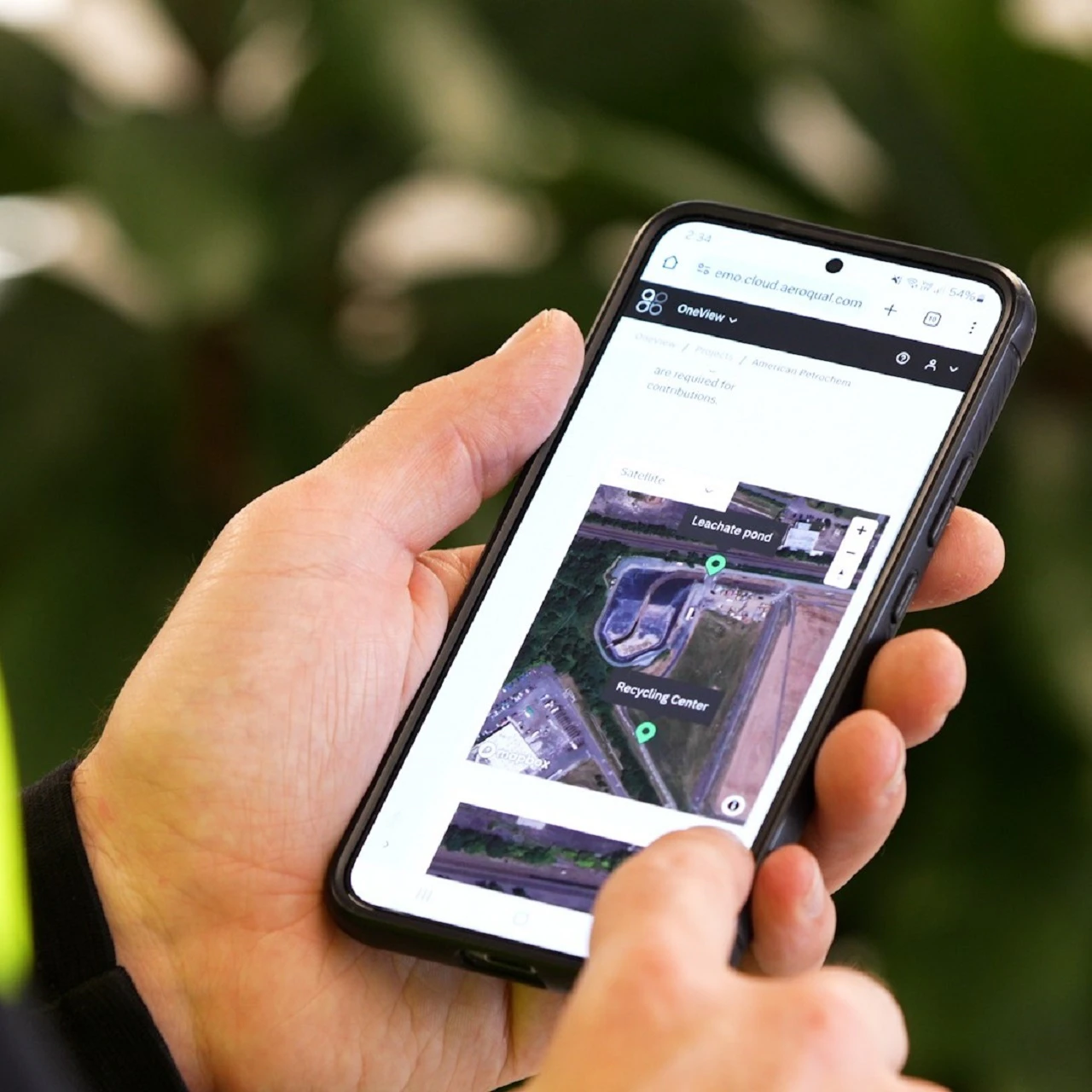
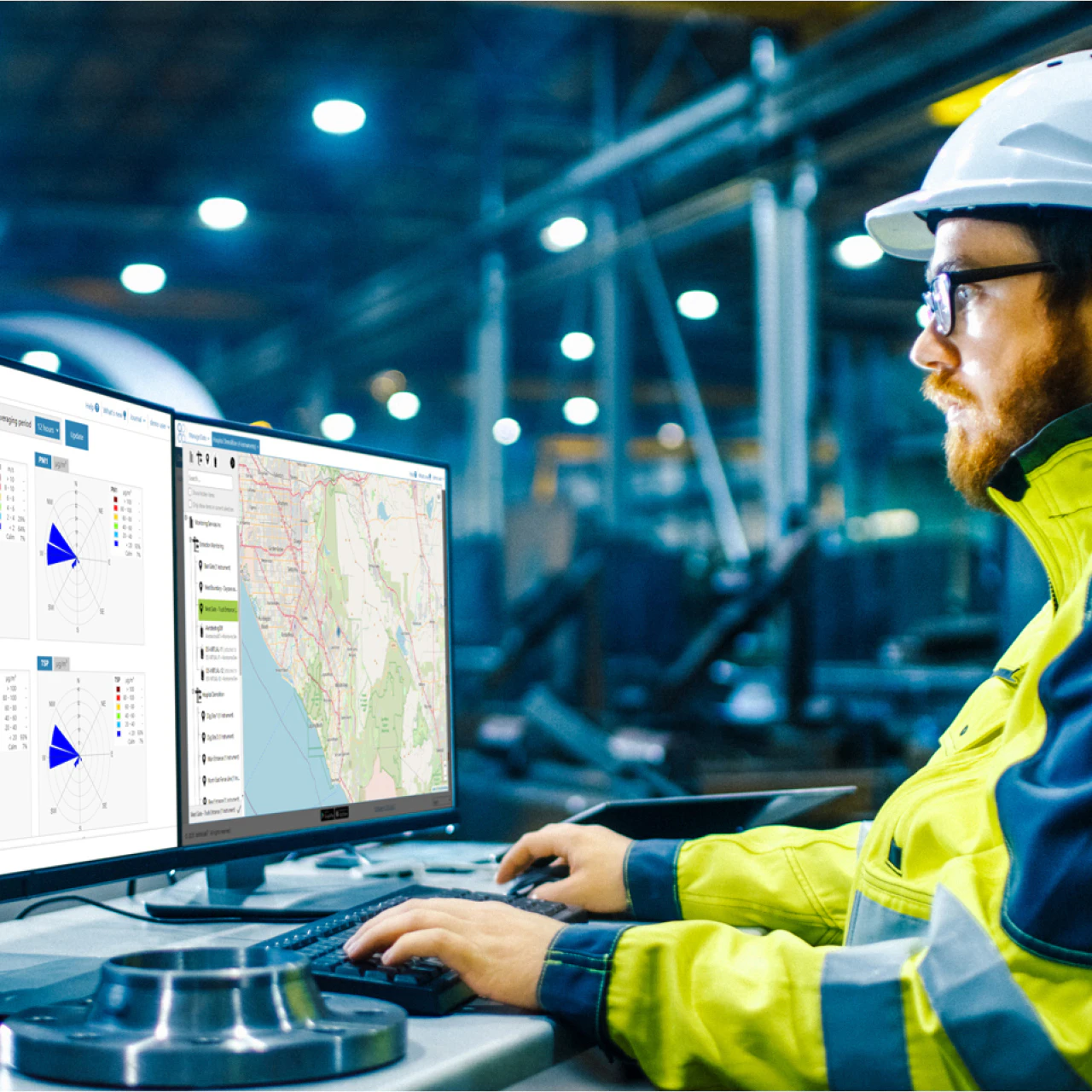
Aeroqual’s integrated air monitoring software systems make it easy to share data with clients, community members, and regulators. Aeroqual OneView, our remediation air monitoring software, combines automated reporting and alerts with regulation-specific calculations (including Rule 1466, DER-10, and NJ PAM), streamlining compliance and saving an hour or more a day on manual calculations.
5. Frequent downtime and missing data
Data gaps can be a major compliance problem. If your monitoring system goes down at a critical moment, it could weaken your ability to produce defensible data or fail to alert you to an exceedance. Low-cost sensor systems have been known to experience downtime for any number of reasons, including firmware issues, short battery life, and limited power options. Even if you avoid a full shutdown, insufficient storage can limit your ability to produce raw data when needed and cause compliance issues down the line.
Unlike many low-cost alternatives, Aeroqual’s perimeter monitoring solutions are built for purpose. Our AQS 1 and Dust Sentry solutions offer a choice of mains, solar, or battery power (including a lightweight 15-hour lithium-ion battery). A rugged, IP65 waterproof enclosure and solar shielding armor help protect against the elements and aid continued data capture in almost any environment. By integrating your monitoring system with our Aeroqual OneView and Aeroqual Cloud software, you can expect remote anytime access to compliance-ready air quality data with no reporting gaps.
Selecting an optimal monitoring solution
Before choosing any air monitoring solution, it’s worth taking the time to go over the following checklist and ask yourself (and your supplier) the important questions. Getting clarity on these issues first will go a long way to ensuring you’re set up to deliver defensible air monitoring data and maintain compliance.
Questions to Ask
Answer
Does this monitoring system allow us to verify both accuracy and traceability?
Does it offer in-field calibration / validation?
How does it handle sensor drift?
Will it maintain performance in any environment?
How does it handle high humidity or extreme temperatures?
Is there technology in place to prevent false positives?
Does it offer robust quality assurance or quality control reporting?
How does it store, export, or audit data?
What uptime can we realistically expect?
If an issue were to occur, does this provider offer ongoing customer support?
The Aeroqual difference
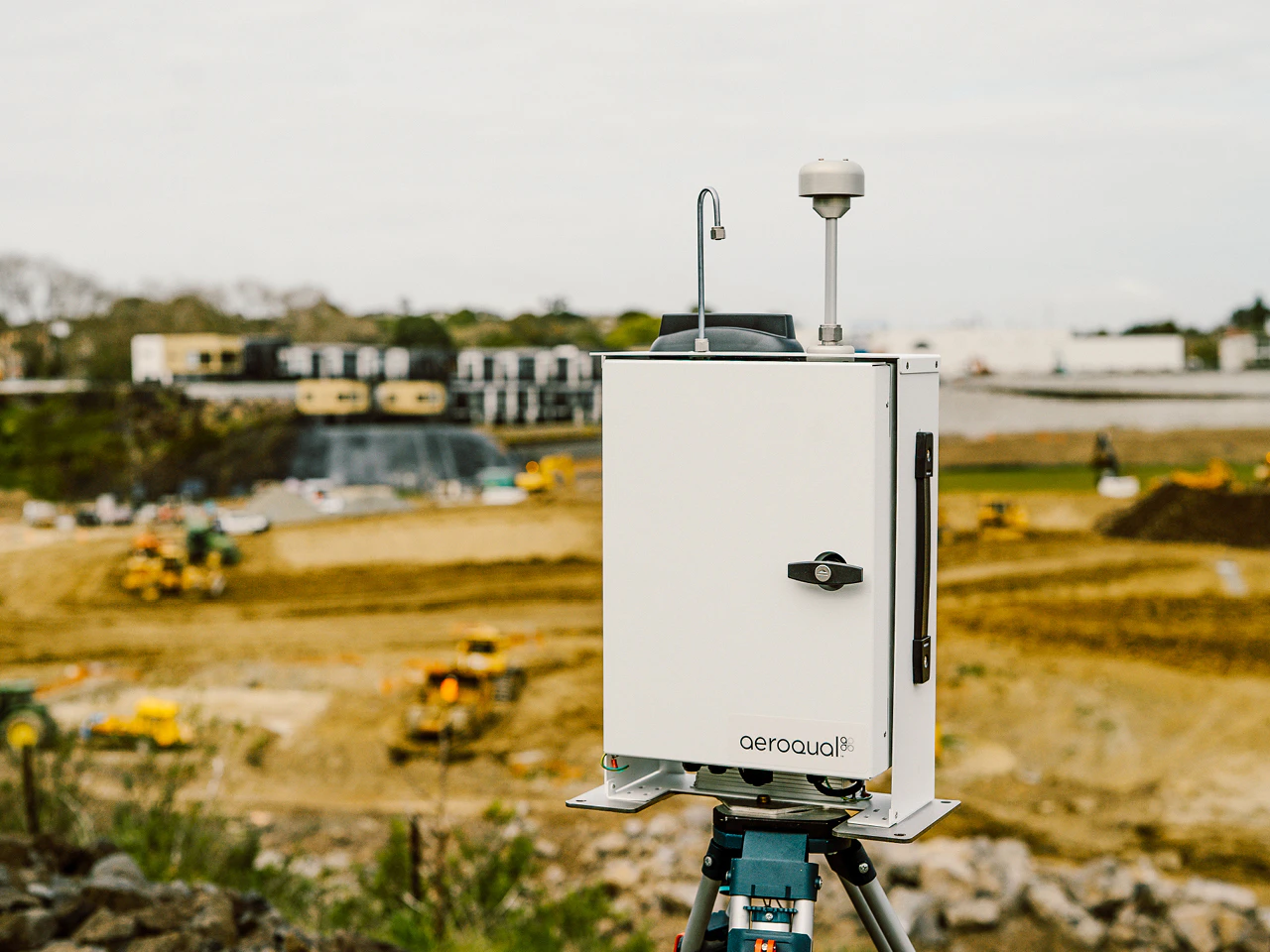
Aeroqual’s perimeter monitoring systems are designed to deliver defensible data in real-world remediation conditions. From robust data capture and quality assurance to automated regulation-specific reports, our solutions minimize risk and facilitate easy compliance. Ongoing access to highly responsive technical support provides further protection against any potential issue.
It’s true that a credible, compliance-ready monitoring system comes at a cost. It’s also true that the reputational cost of choosing a solution that’s not built for compliance is even higher. The short-term difference between the two is the “cost of assurance”. Investing in a purpose-built perimeter monitoring system means eliminating the unpredictability of a low-cost solution and safeguarding your professional reputation, both now and into the future.
Want to know more?
If you’d like to learn more about making your data defensible or would like a second opinion on your monitoring plan, please get in touch any time to speak to one of our experts.
Related products
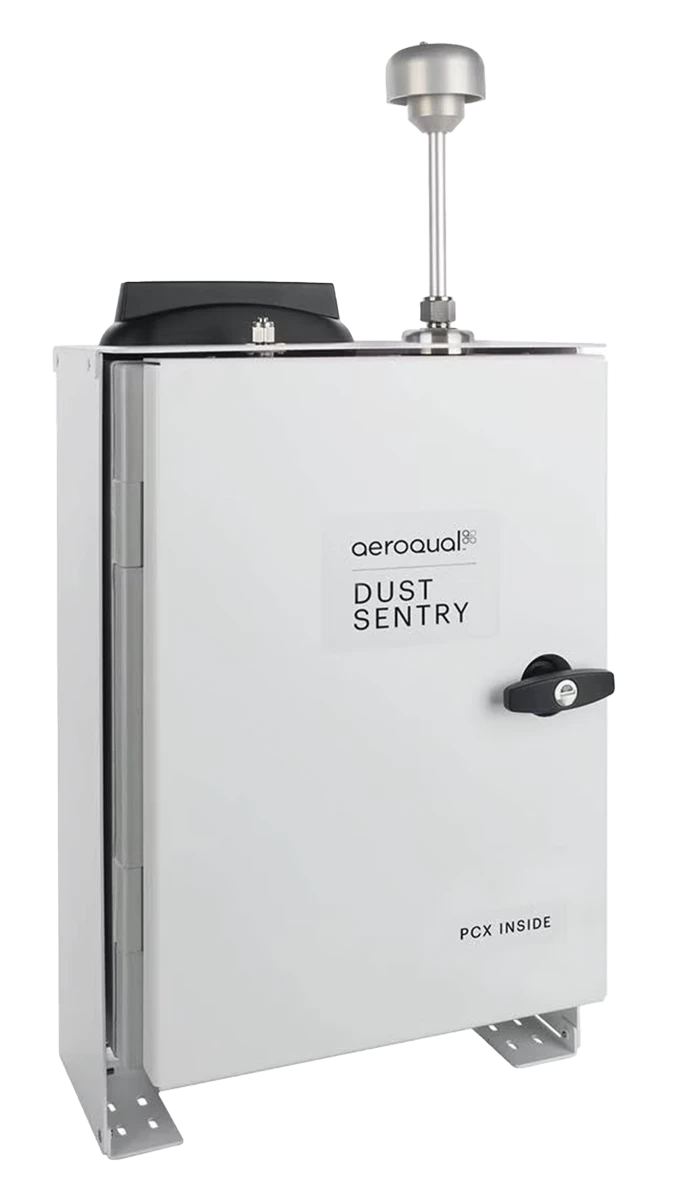
Perimeter air quality monitoring made easy
Meet all regulatory requirements and obtain accurate, defensible real-time data you can trust.