






Compliance
Indoor Air Monitoring for WELL and LEED
Confidently meet all indoor air monitoring requirements for WELL and LEED certification and protect occupant health and safety.
Why is it important to monitor indoor air quality, and what are the relevant standards?
Maintaining healthy indoor air is a top priority for responsible developers, employers, and commercial operators looking to protect occupants and maximize profits. Two of the most widely relied-upon and respected standards for indoor air quality are WELL and LEED.
The human and financial costs of poor indoor air quality can be substantial, including:
- Long-term respiratory health issues for occupants
- Increased absenteeism for students and employees
- General fatigue and decreased productivity
- Higher employee turnover and hiring costs
- Higher vacancy rates for apartment buildings and commercial spaces
Between the home, office, school, and other enclosed spaces, most of us spend significant portions of our day breathing air indoors. The WELL and LEED building standards provide essential guardrails for ensuring indoor health and safety.
What is the LEED building standard?
The LEED (or “Leadership in Energy and Environmental Design”) building standard is a standardized framework for evaluating a building’s environmental performance and sustainability. Established by the United States Green Building Council (USGBC), the LEED building standard is the most widely used green building rating system in the world.
LEED certification is available throughout all stages of development, from building design and construction to interior fit-outs and ongoing maintenance. Even entire neighbourhoods and cities can be LEED-certified. Globally, LEED-certified spaces communicate a commitment to health and safety, of which indoor air quality monitoring is a key element.
What is the WELL building standard?
The WELL building standard evaluates how human comfort, health, and well-being can be enhanced across 100+ criteria encompassing 10 core concepts, including the WELL Air concept. Administered by the International WELL Building Institute (IWBI), the WELL standard focuses on people and the way they interact with these physical structures.
By taking a people-first approach, the WELL standard seeks to provide a blueprint for developers and building owners intent on improving the quality of life for occupants.
In addition to strict air quality standards across a range of pollutants (including PM2.5, PM10, CO, CO2, O3, VOCs, and formaldehyde), other key requirements of the WELL Air concept include:
- A smoking ban (both indoors and within 25 ft of the building)
- Robust ventilation and air filtration systems
- Mold reduction and control policies
- Duct protection and other preventative measures to manage construction-related pollution
Aeroqual can help with compliance for WELL and LEED
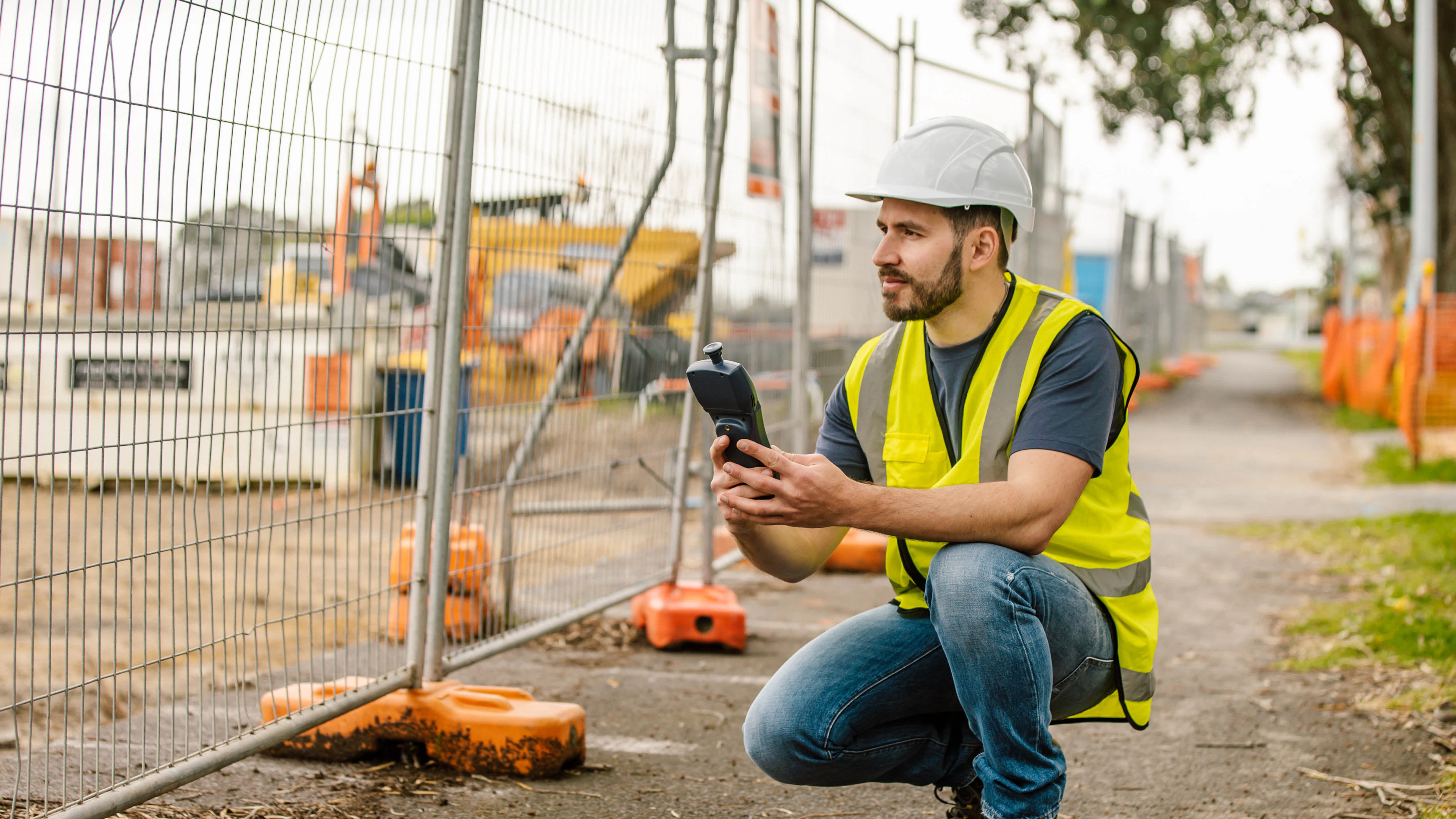
Aeroqual simplifies compliance for both the WELL and LEED building standards with our connected, handheld Aeroqual Ranger. Known as the ultimate handheld air monitoring solution, Ranger is among the only handheld monitoring systems on the market proven to meet all indoor air monitoring requirements for WELL and LEED. The Aeroqual Ranger empowers indoor air quality professionals and operators to:
- Measure relevant pollutants for WELL and LEED while adhering to rigorous Limit of Detection (LOD) requirements
- Capture real-time data, with remote access and alerts
- Avoid relying on time-consuming and expensive lab sampling techniques
- Measure airborne particulate matter with near-reference accuracy
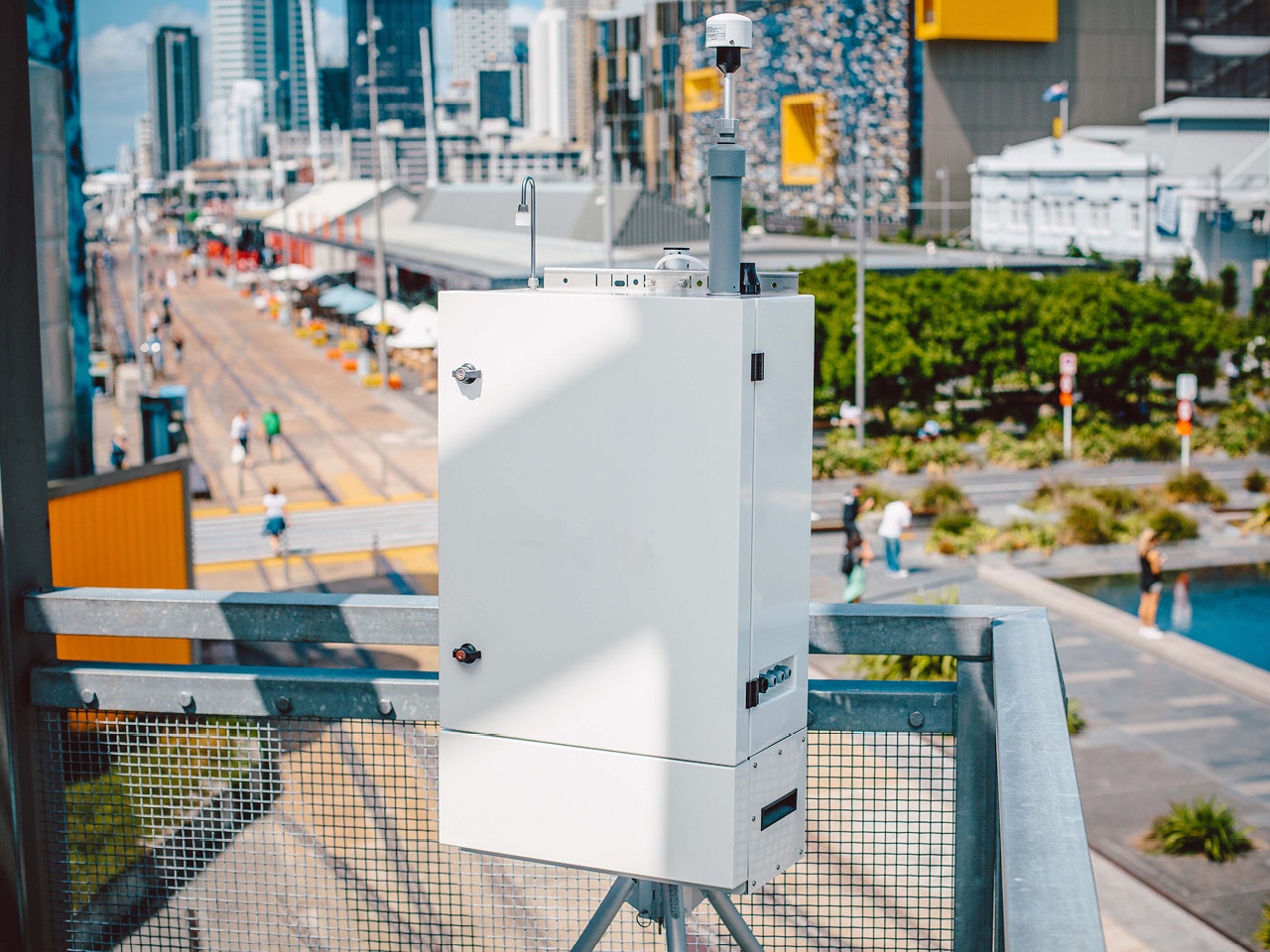
While Aeroqual Ranger is our most popular system for measuring indoor air quality, the Aeroqual AQS 1 fixed monitoring system also offers a compliance-ready alternative for longer-term projects (for example, tracking vapor intrusion in the basement of an apartment building).
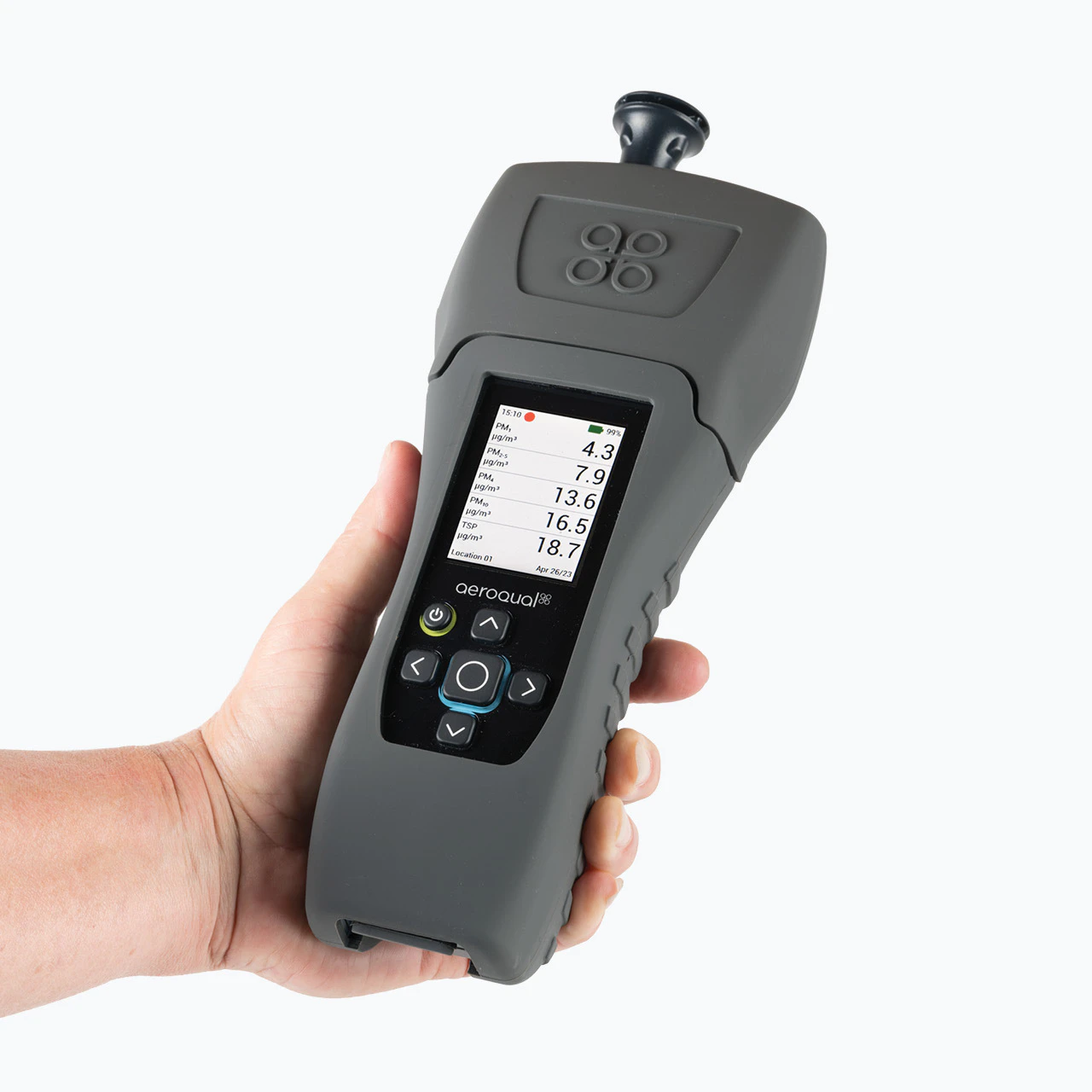
Satisfy strict limit of detection standards using a handheld solution
Deploy an indoor monitoring solution that meets all WELL and LEED Limit of Detection (LOD) requirements in a portable, handheld design. Swap between sensor heads in seconds and confidently meet all minimum concentration limits for up to 15 pollutant types (including NO2, Ozone, and CO). Ranger’s active fan sampling technology draws sample air to the sensor, combining unmatched accuracy with the ease of a handheld device.
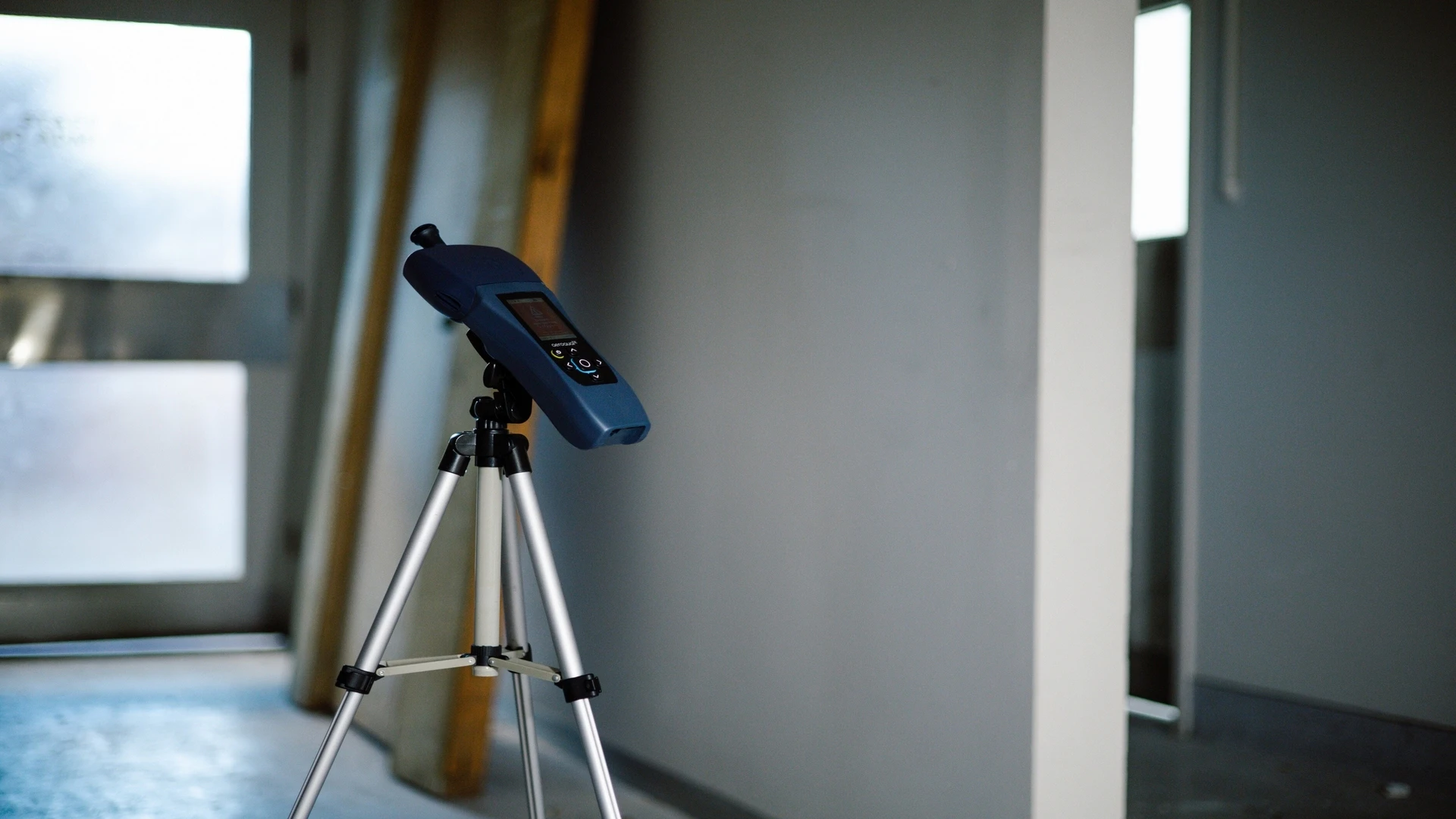
Save time and money with Aeroqual’s real-time indoor air monitoring technology
Gather reliable data, immediately detect an exceedance, and take swift corrective action with Ranger’s real-time monitoring capabilities. Eliminate the need for expensive lab sampling and access on-the-go data, with automatic alerts sent to your connected devices via our integrated Aeroqual Cloud software.

Protect occupants and capture near-reference PM measurements
Maintain healthy indoor air and achieve WELL / LEED certification with the Ranger’s cutting-edge PMX sensor head. Aeroqual’s PMX sensor delivers real-time measurement of PM1, PM2.5, PM4, PM10, and TSP, demonstrating near-reference accuracy and excellent linearity (R2 > 0.99) in a recent evaluation.

Streamline compliance with Ranger’s portable, ergonomic design
Combine the accuracy of a stationary monitor with the portability of a handheld device. Ranger’s long-life battery ensures reliable performance for almost a full 24 hours on a single charge. A lightweight, connected design allows you to carry out all necessary indoor air quality assessments and compliance checks from the palm of your hand.
Leading indoor air quality monitoring
Capture accurate, defensible data with a real-time indoor air monitoring solution for WELL and LEED.
Benefits
Unmatched Accuracy
Industry-leading sensor technology provides actionable data on all required indoor air pollutants
Real-Time Data & Alerts
Take immediate action and ensure ongoing compliance
Easy to Use
Lightweight design and long-life battery help streamline performance
FAQs
The LEED building standard is primarily concerned with the environmental impact and overall sustainability of the buildings themselves. The WELL standard focuses on the long-term relationship between people and the buildings they occupy (including impacts on physical and mental health).
LEED certification includes meeting certain standards around energy consumption, building waste, and ensuring any surrounding natural landscapes are protected (integrating buildings with nature under the LEED Sustainable Sites credit category). WELL certification as it relates to air quality extends these structural considerations one step further, with an increased focus on effective ventilation and air purification (for example, requiring building finishes to meet strict off-gassing standards, or using cleaning solutions that limit VOC emissions).
Both certifications emphasize ongoing health and sustainability, only from two different (but related) angles. With WELL being originated by many of the same people who helped to establish the LEED standard, the IWBI and USGBC have created a streamlined process for building owners and operators seeking dual certification.
Under the WELL air quality standards feature, aimed at ensuring a “basic level of high indoor air quality”, operators must meet strict detection limits across a range of parameters, including:
- PM2.5 < 15 μg/m³
- PM10 < 50 μg/m³
- CO < 9 ppm
- Ozone < 51 ppb
- Formaldehyde < 27 ppb
- Total VOCs < 500 μg/m³
Aeroqual Ranger is one of only a few handheld monitoring systems capable of providing accurate measurements at these lower limits of detection, while offering remote access to real-time data via Aeroqual Cloud.
The WELL Air concept consists of dozens of preconditions sorted into 29 features, including specific standards for indoor air quality. Under the air quality monitoring and feedback feature, certified projects must:
- Continuously monitor at least two of PM10 (or finer), CO2, and O3 at intervals no longer than once per hour
- Provide a detailed monitoring and response plan and maintain records for at least three years
- Deploy real-time displays of temperature, humidity, and CO2 concentration in regularly occupied spaces
Compliance with the LEED Indoor Air Quality Performance credit requires the use of “building-grade” monitors capable of continuously measuring CO2, PM2.5, and Total VOCs. Additional instrument requirements for certification include the use of:
- CO2 monitoring systems capable of measuring the 95th percentile value
- PM2.5 monitoring systems capable of calculating daily averages
- VOC monitoring systems capable of calculating daily averages
LEED certification points are awarded for measuring each parameter, with additional points available for meeting lower detection limits, such as:
- Measuring CO2 to a threshold of 800 ppm
- Measuring PM2.5 to a threshold of 12 µg/m3
Under the LEED building standard, building operators may instead choose to carry out one-time annual spot checks rather than continuously monitoring air quality. However, this approach comes with limited certification credits, and continuous IAQ monitoring is preferred by operators seeking full LEED certification.
Related Products