











Case Study
Continuous benzene monitoring aids US oil refinery compliance
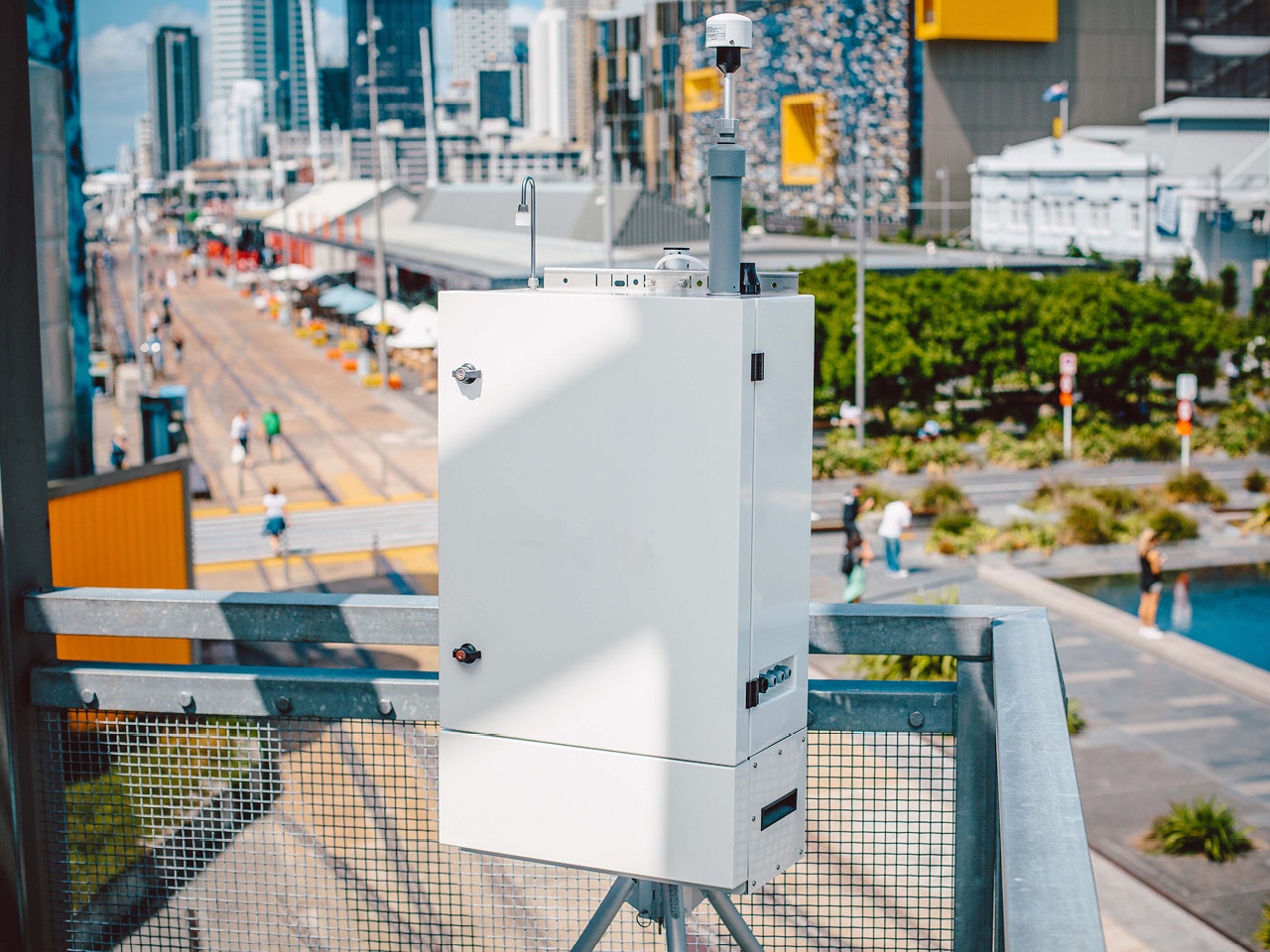
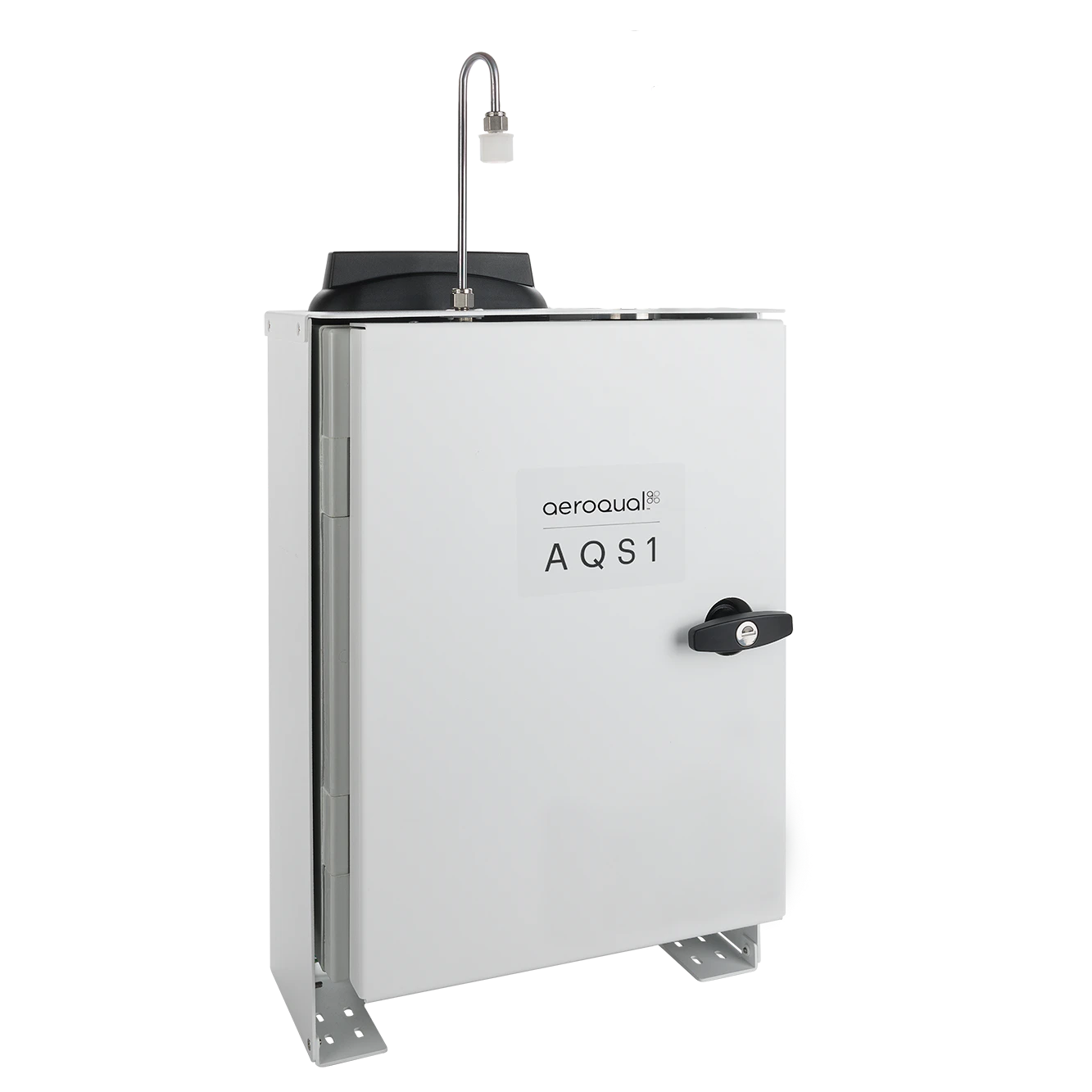
Aeroqual’s AQS 1 Benzene monitoring solution was deployed at a large US oil refinery to detect and locate fugitive benzene emissions and aid compliance with the U.S. EPA’s Refinery Sector Rule.

Project Details
Project
US Refinery Benzene Source Detection
Location
United States
Date
2026
Services
AQS 1 Benzene Air Quality Monitor, Aeroqual Cloud software
Measurements
Benzene, Wind
Sector
Oil & Gas Air Monitoring
Supporting EPA Refinery Sector Rule compliance
An oil refinery in the Southern region of the US applied Aeroqual's continuous benzene monitoring solution alongside its existing passive monitoring program. The facility was already fulfilling its fenceline monitoring obligations under the EPA’s Petroleum Refinery Sector Rule but wanted to explore whether continuous benzene monitoring technology could more quickly detect and locate benzene emissions across the site. The operator selected the AQS 1 Benzene Air Quality Monitor equipped with an ultrasonic wind sensor.
Project goals
Access to a main power source is a common challenge for oil and gas facilities seeking to deploy fenceline monitoring systems. Here, the AQS 1 Benzene’s solar capabilities allowed the operator to deploy it anywhere around the fenceline of the site. The operator took advantage of this flexibility to deploy at a variety of locations, with the goal of measuring emissions across operating areas.
The Refinery Rule requires operators to collect benzene air samples using passive sampling sorbent tubes under Method 325. However, this involves a two-week collection period, followed by a further delay while samples are sent for lab testing. This means operators aren't made aware of emissions levels until it's almost too late. Method 325 also doesn't provide any geo-spatial information to locate the source of a leak, thus reducing the efficiency of LDAR teams. The ability of the AQS 1 Benzene solution to address source location with near real-time analytics was another key operator goal for the study.
Project outcome
The AQS 1 Benzene provided a measurement every 15 minutes and detected several exceedance events above the EPA Fenceline Refinery limit of 9 µg/m³. Benzene concentrations across the trial period are shown in Figure 1 below.

Figure 1: Benzene concentrations across the full trial period (left). Further insights on the grey shaded area, including the most severe exceedances (right).
By combining the AQS 1 Benzene and wind sensor data in Aeroqual Cloud software, the operator was able to quickly detect and locate the source of these emissions. For example, one exceedance event took place during a product loading event, which ultimately led to process improvements and a reduction in emissions. Further insights on how wind speed and direction impacted benzene concentrations are found in Figure 2 below.

Figure 2: Polar plots showing mean benzene concentrations by wind speed and direction. Shows an association between short-term benzene peaks and winds coming from the loading area (boat). Lower concentrations were typically observed when winds originated from the refinery (west).
The AQS 1 Benzene had an overall data capture rate of >99%, indicating excellent reliability throughout the study period. The senior engineer responsible for deploying the AQS 1 Benzene summed it up as being “very easy to deploy and use”, while also remarking on Aeroqual Cloud’s ability to deliver “useful data analytics.” As a result of this study, the refinery is actively investigating a multi-instrument continuous benzene monitoring program to complement their existing Method 325 measurement.
By supplementing EPA Method 325 monitoring with cost-effective continuous benzene measurements, the AQS 1 Benzene provides refinery and petrochemical operators with near real-time visibility into emissions events. This enables faster source identification, more effective LDAR investigations, improved operational awareness, and stronger environmental compliance outcomes.
Related products

Case Studies
Case Study - Brownfield Redevelopment
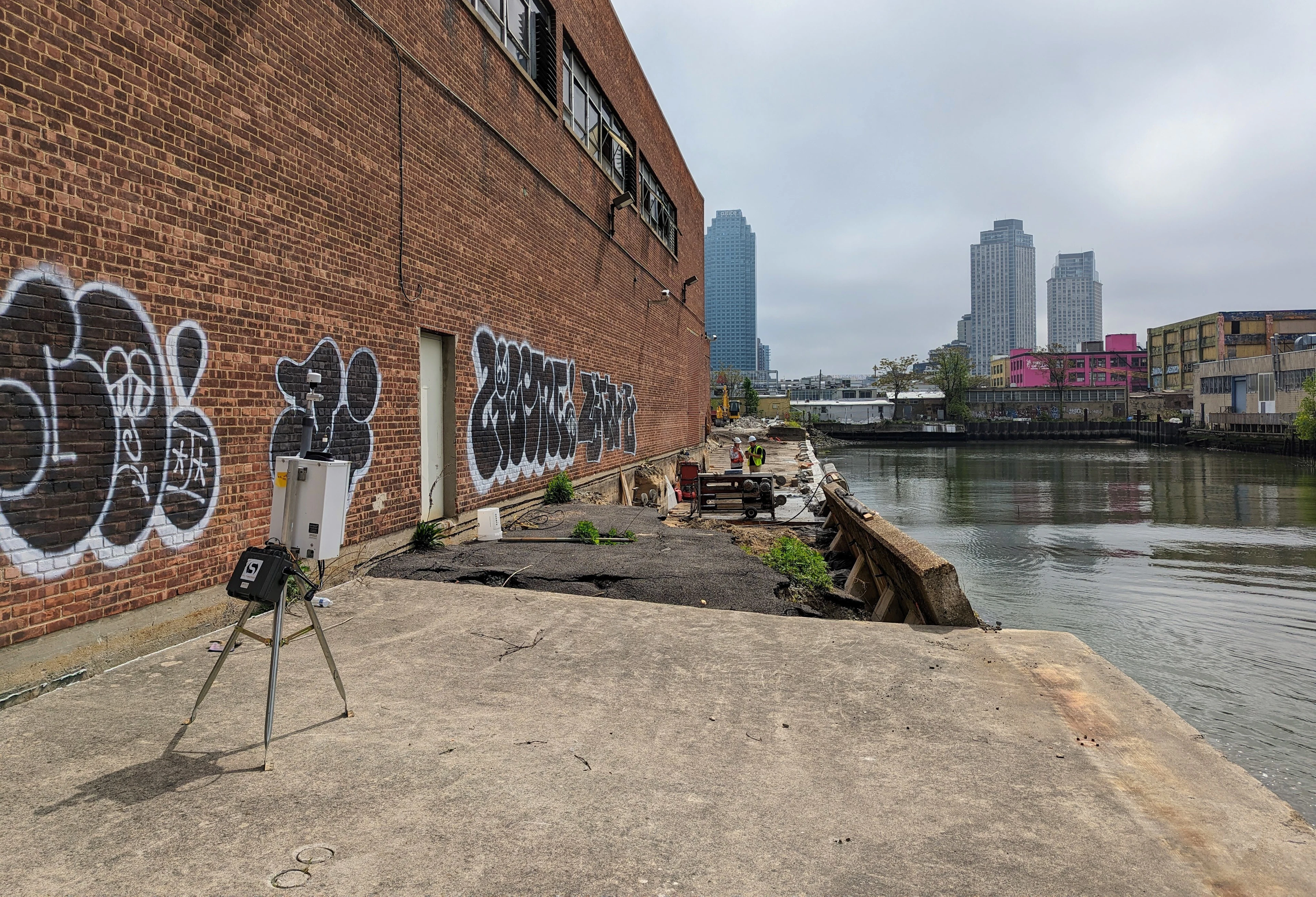
Perimeter monitoring during a waterfront stabilization project in Queens
Case Study - Brownfield Redevelopment
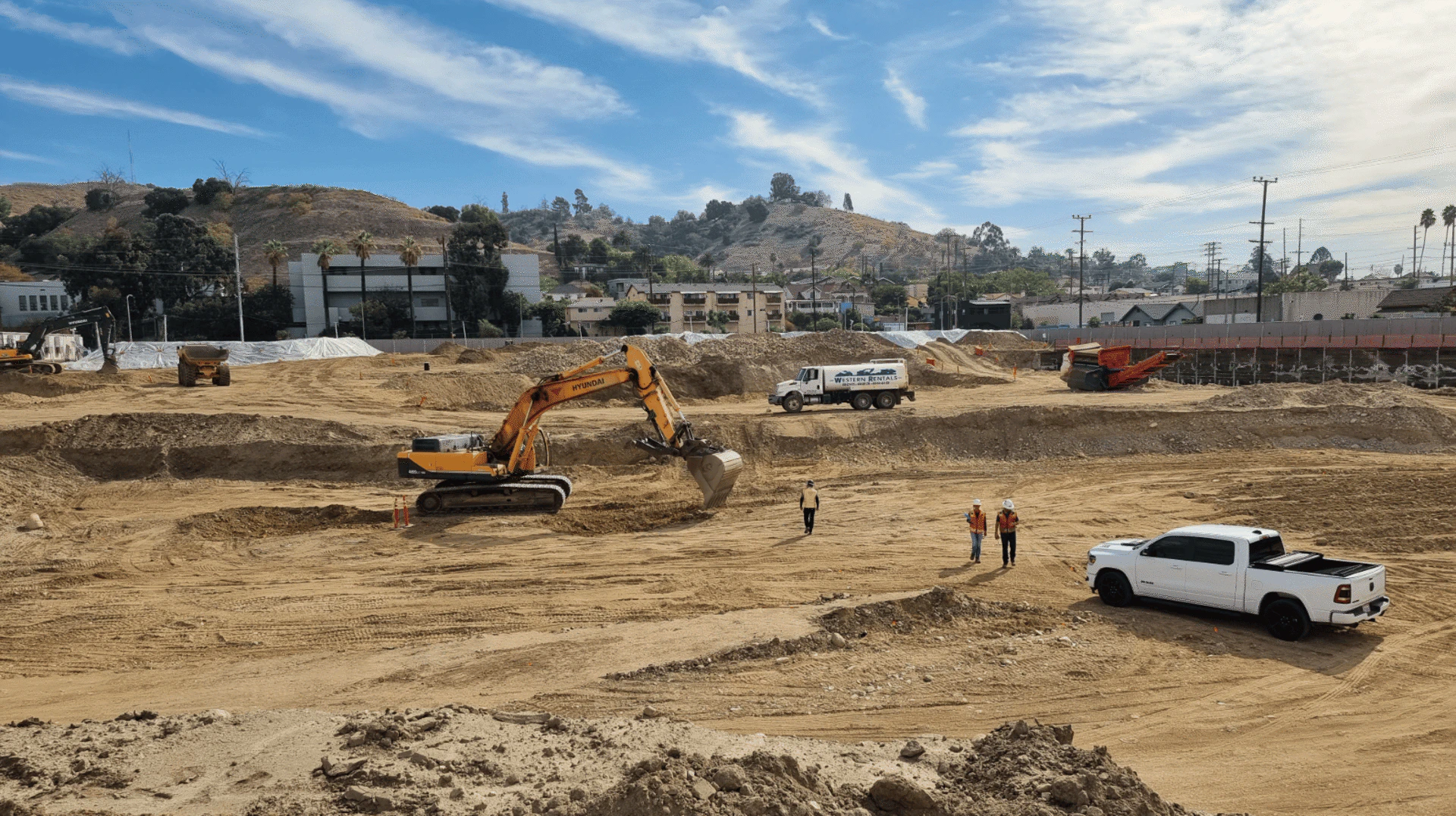
Remediating a former industrial site in Los Angeles

Case Study - Brownfield Redevelopment
Building a healthier Brooklyn: Aeroqual and Langan's collaboration on the Alafia Estate
Want to learn more?
If you’d like to know more about this case study, or to discuss your air monitoring requirements, please get in touch.