









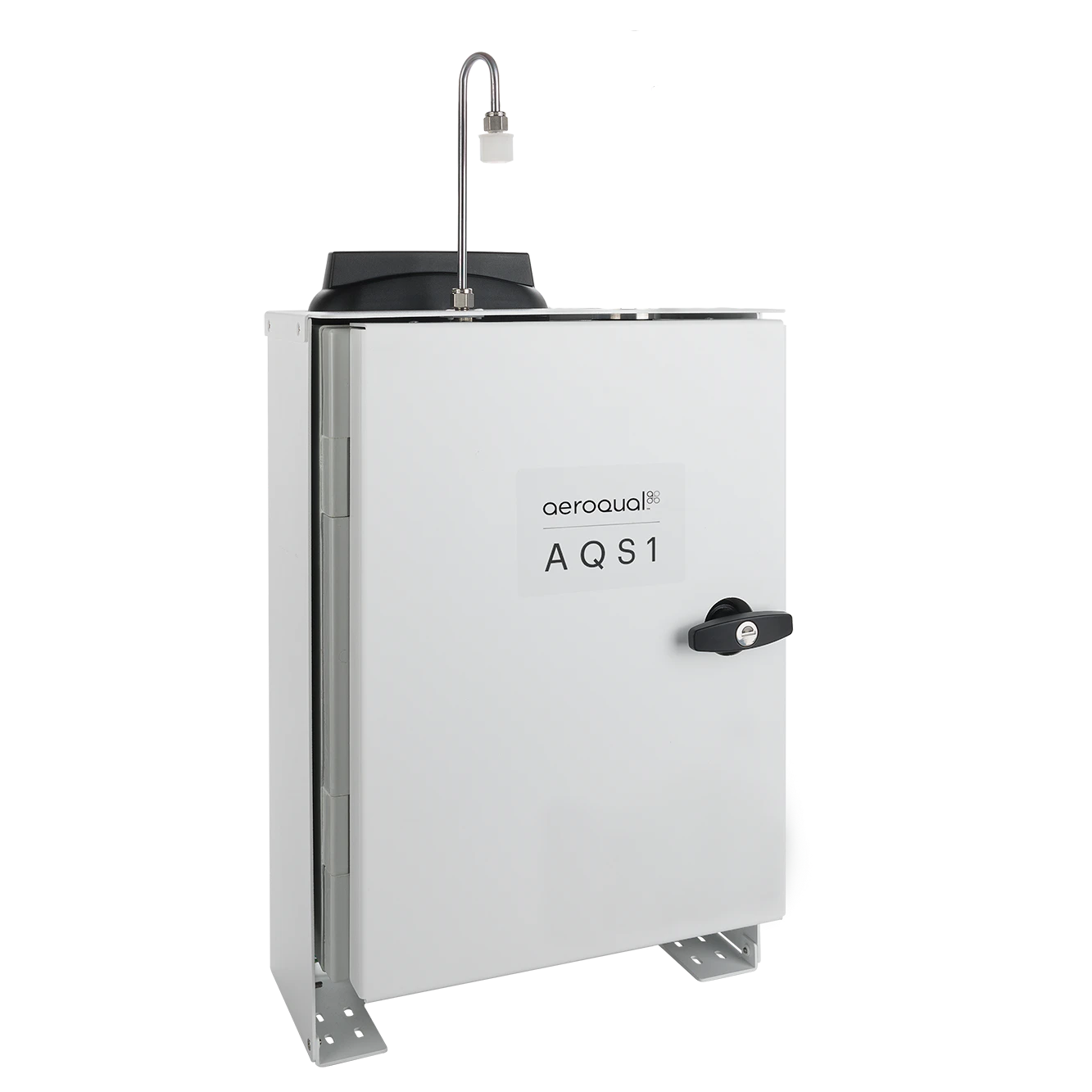
AQS 1 Benzene Air Quality Monitor
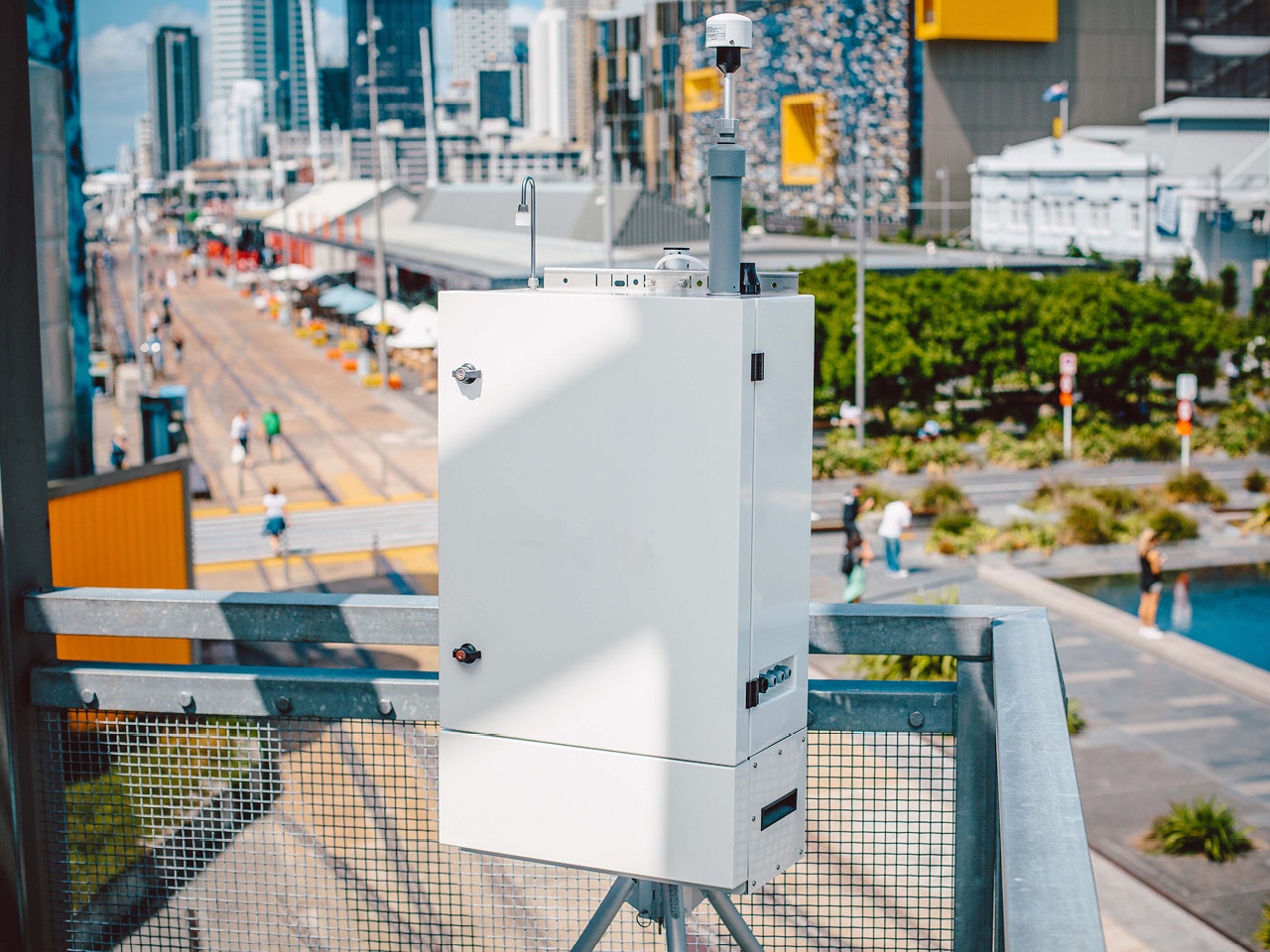
The Aeroqual AQS 1 Benzene Air Quality Monitor provides continuous (15-minute response time) measurement of benzene at ambient and fenceline levels. Housed in a rugged, waterproof enclosure and featuring a modular design, it easily supports additional PM and gas pollutant measurements, as well as environmental parameters such as wind speed and direction for source localisation. The AQS 1 Benzene is a compact, low-power (compatible with solar and battery applications) air quality monitor that connects to our range of air monitoring software solutions, delivering remote, continuous data you can trust.
Gas pollutants
Benzene (C6H6)
Environmental factors
Temperature, humidity, noise, barometric pressure, precipitation, solar radiation, wind speed and direction.
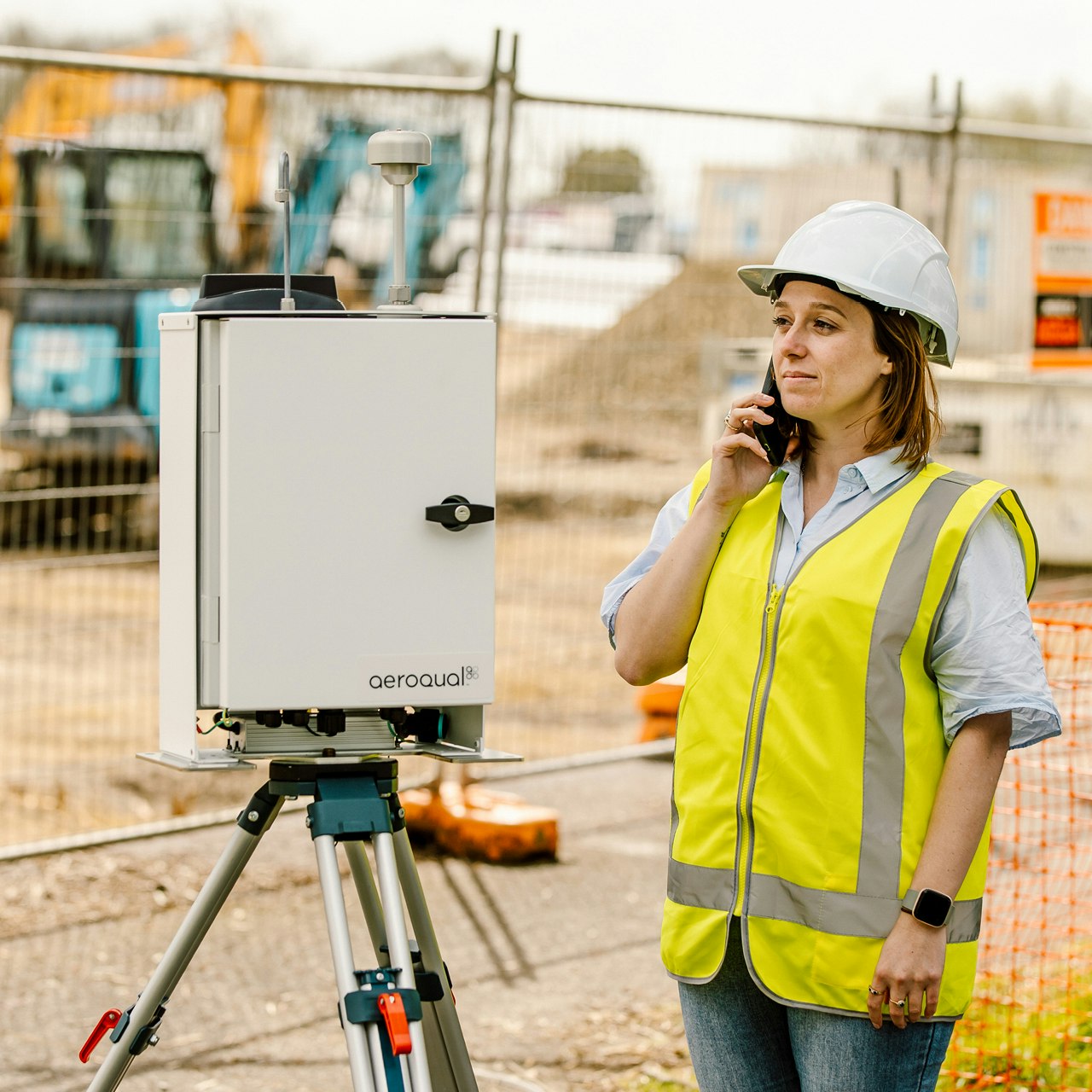
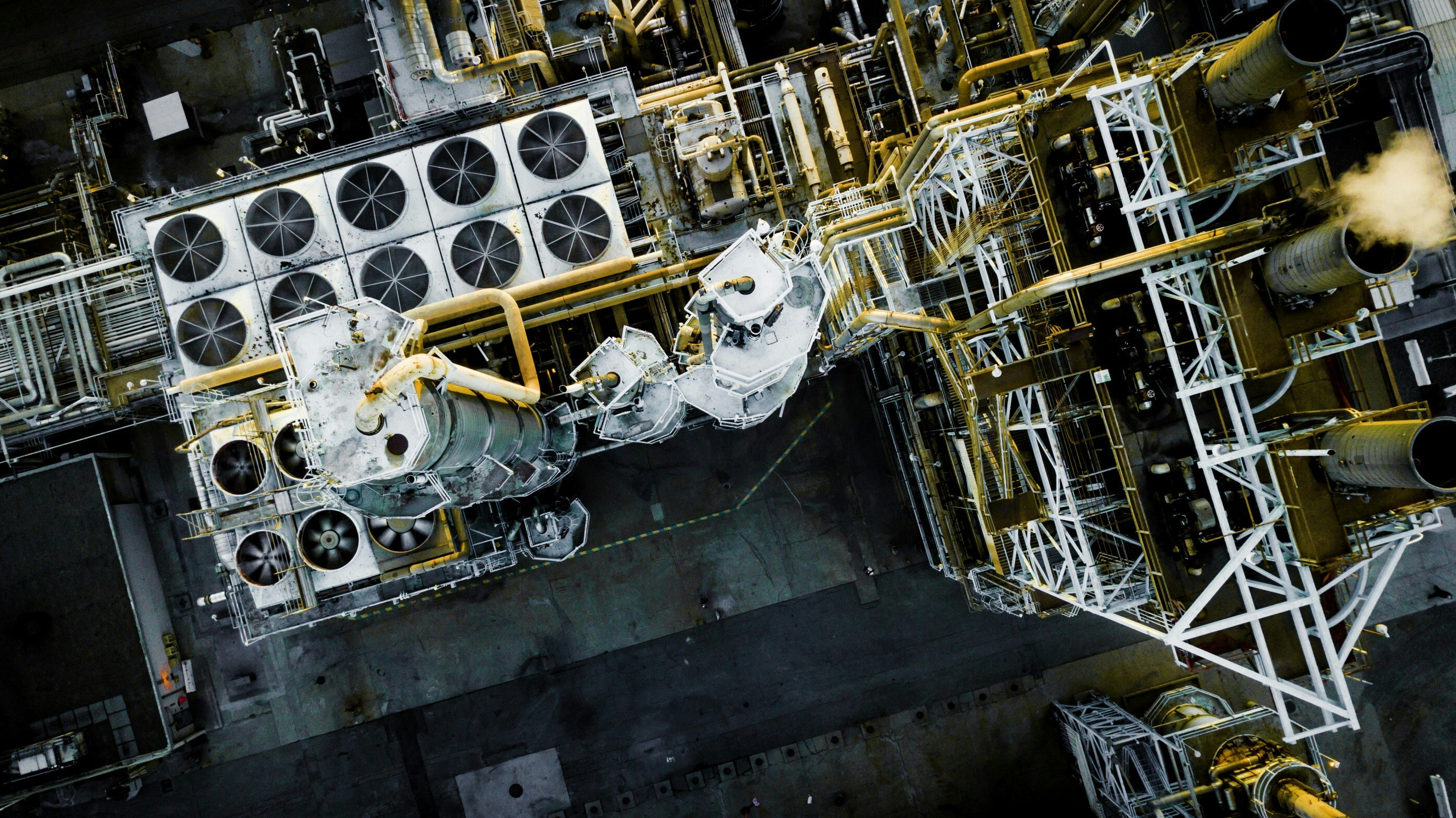
The Aeroqual AQS 1 Benzene is suitable for use on a range of projects, including perimeter monitoring on industrial sites (oil and gas facilities, remediation projects, industrial parks, and waste management), and in urban air quality monitoring networks.
Key technology of the AQS 1 Benzene
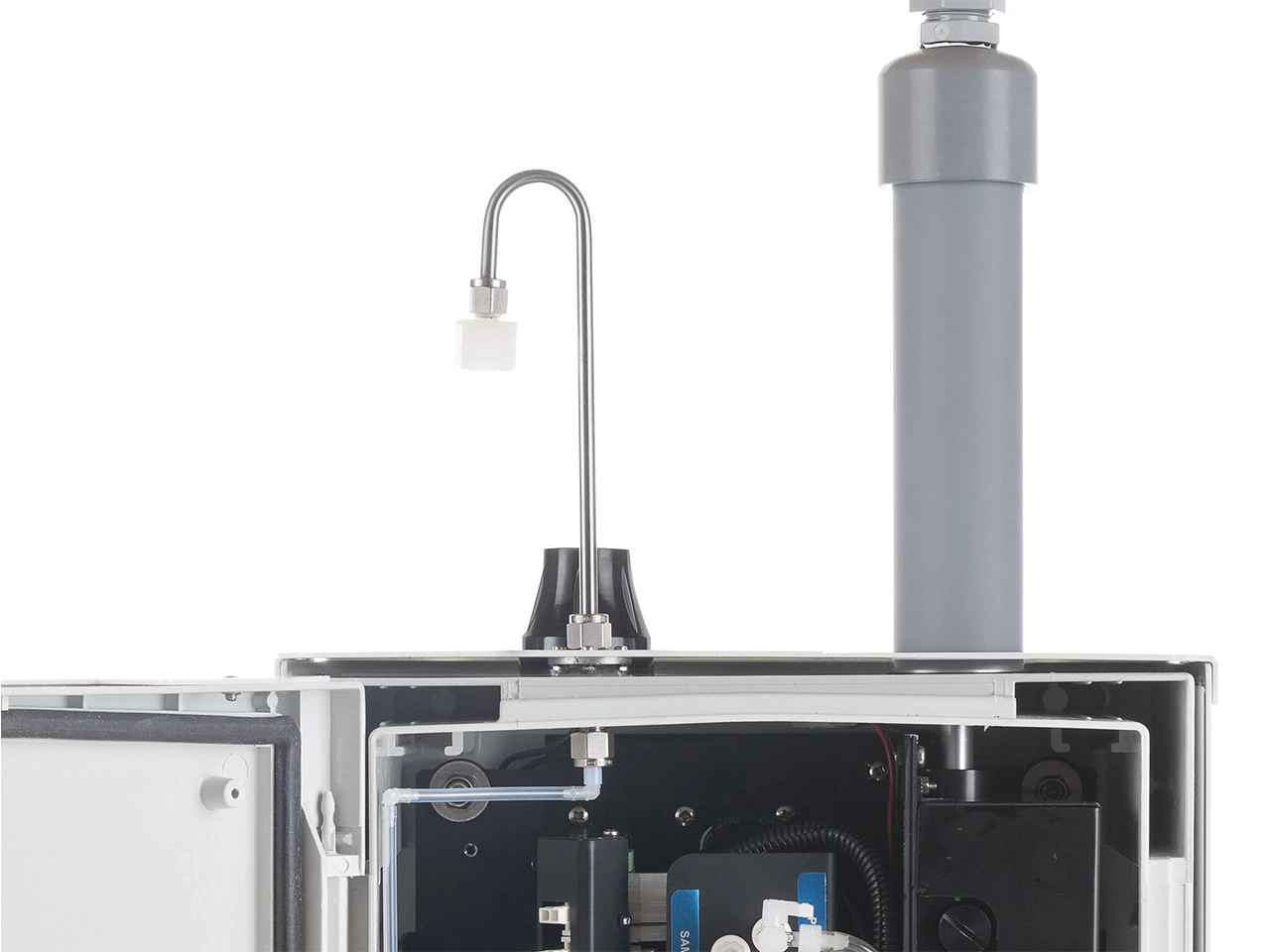
Pumped sampling system and integrated flow control
The pumped sampling design and integrated flow control provide reliable flow to the benzene module. Built-in filters protect the benzene module from airborne dust, extending the instrument's operating life.

Interference-free measurement
The benzene module design incorporates an adsorbent bed, which acts as both a pre-concentrator and separator, allowing benzene to be quantified without interference from other hydrocarbons, including toluene, ethylbenzene and xylene.
Reference calibration
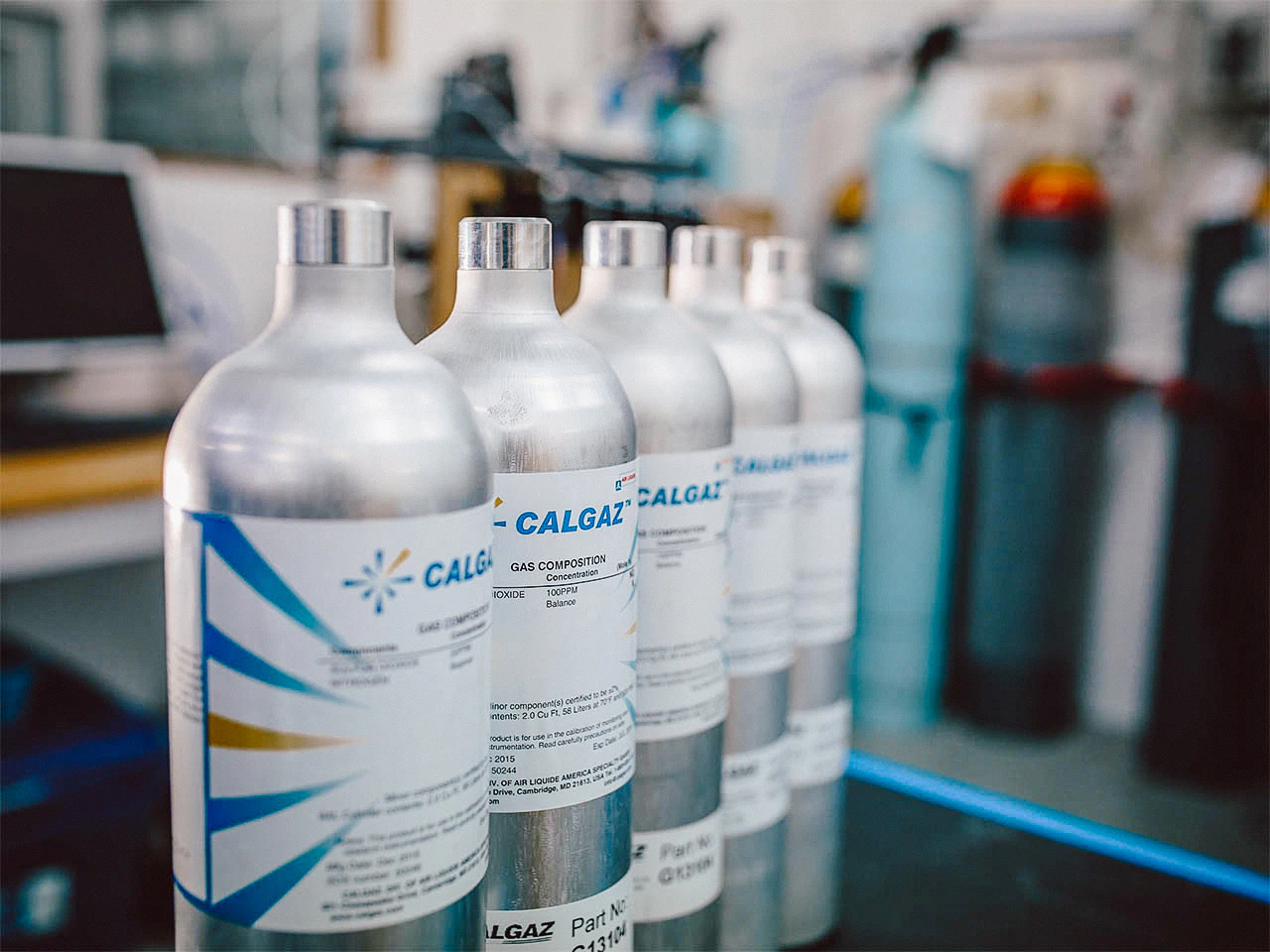
The AQS 1 Benzene is factory calibrated using NIST traceable reference materials. The high-purity gas standards are prepared under ISO 6143, ensuring traceability to reference materials.
Key benefits

Continuous benzene measurement
The AQS 1 Benzene provides continuous measurement of benzene in 15-minute measurement intervals, providing four discrete measurements per hour.
Near-reference accuracy
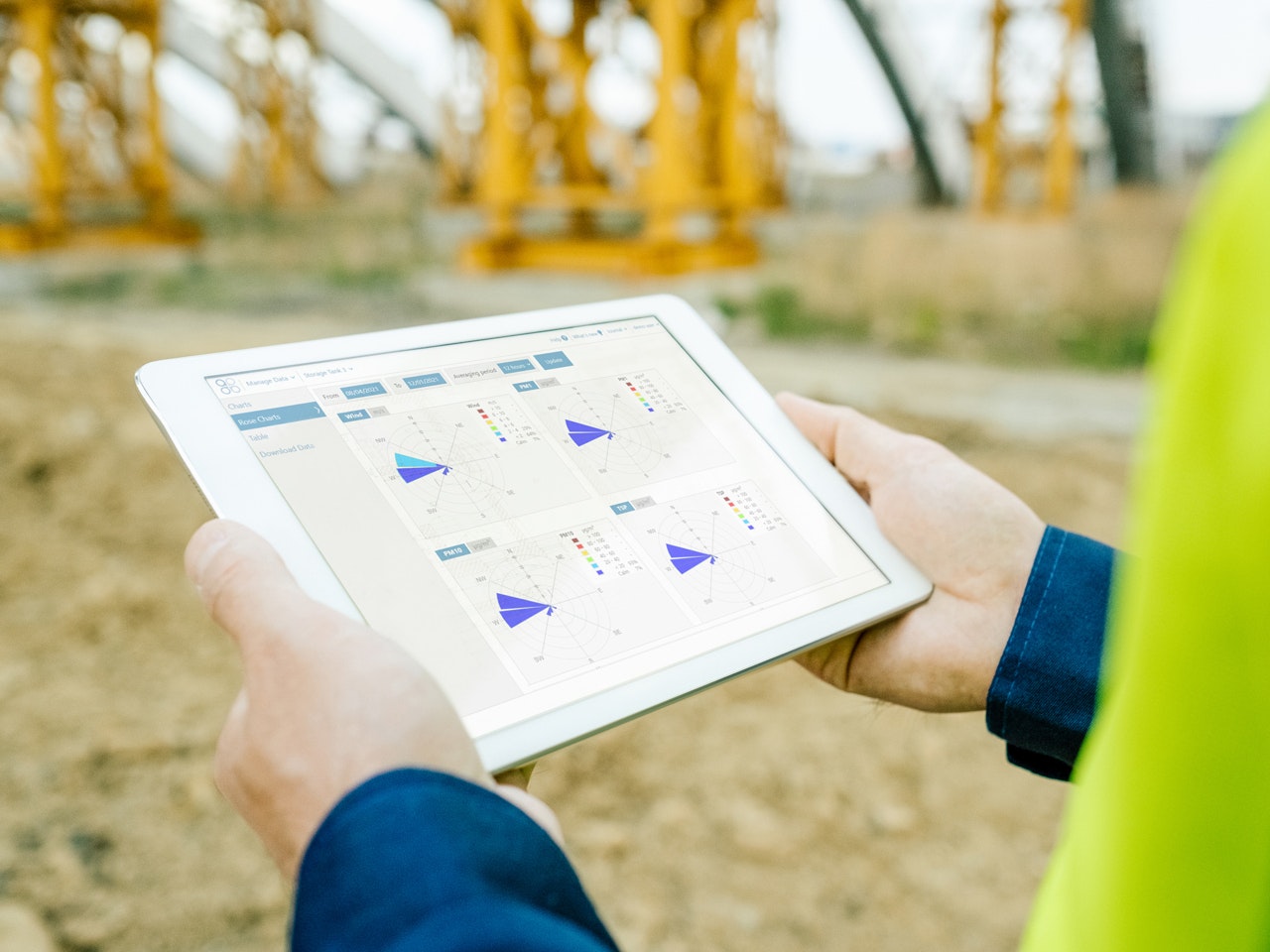
Measures and reports data in 15-minute intervals, with user-selectable averaging, delivering highly accurate results with excellent correlation to auto-GC reference instruments.
Durable, low-power design
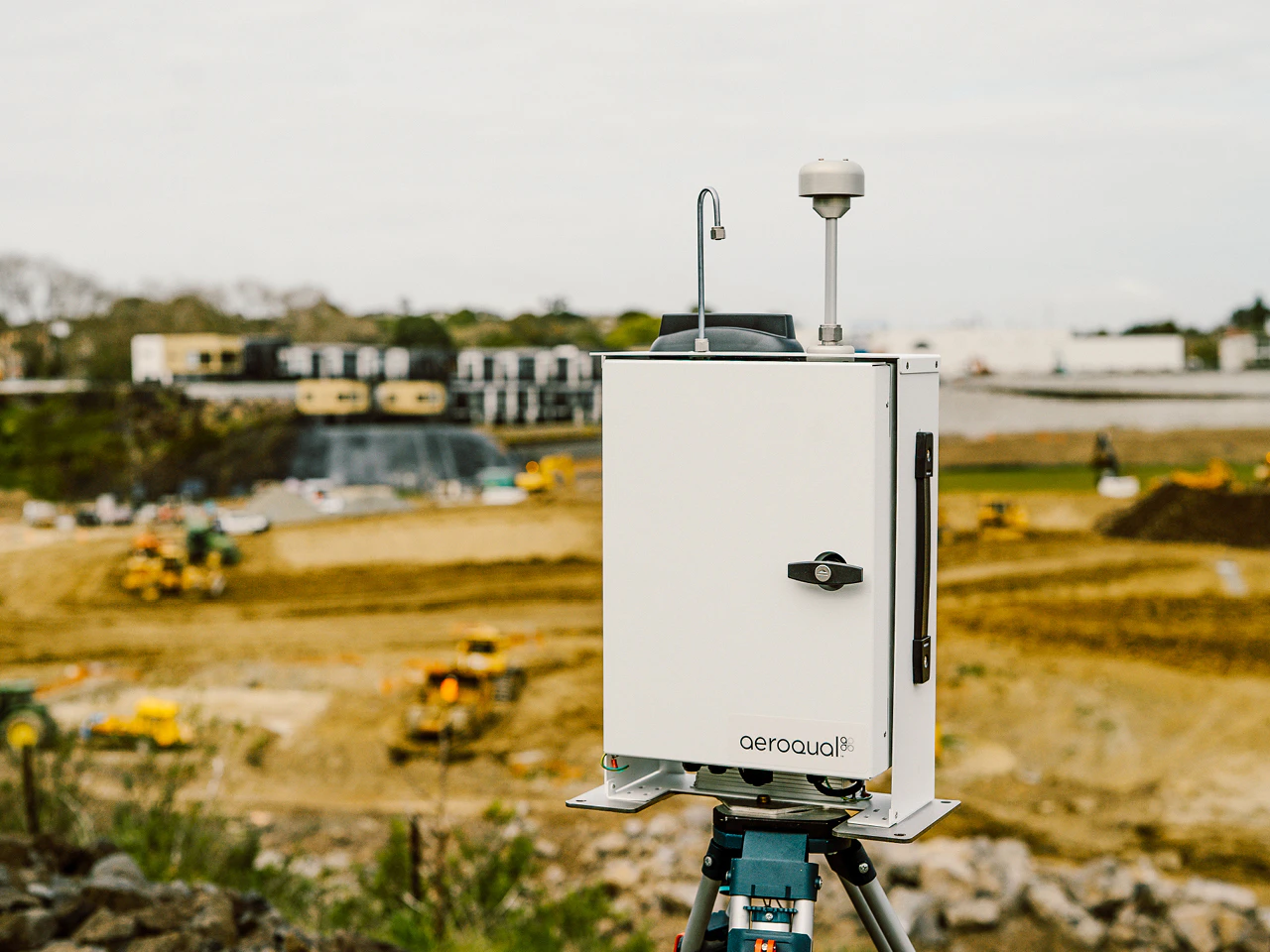
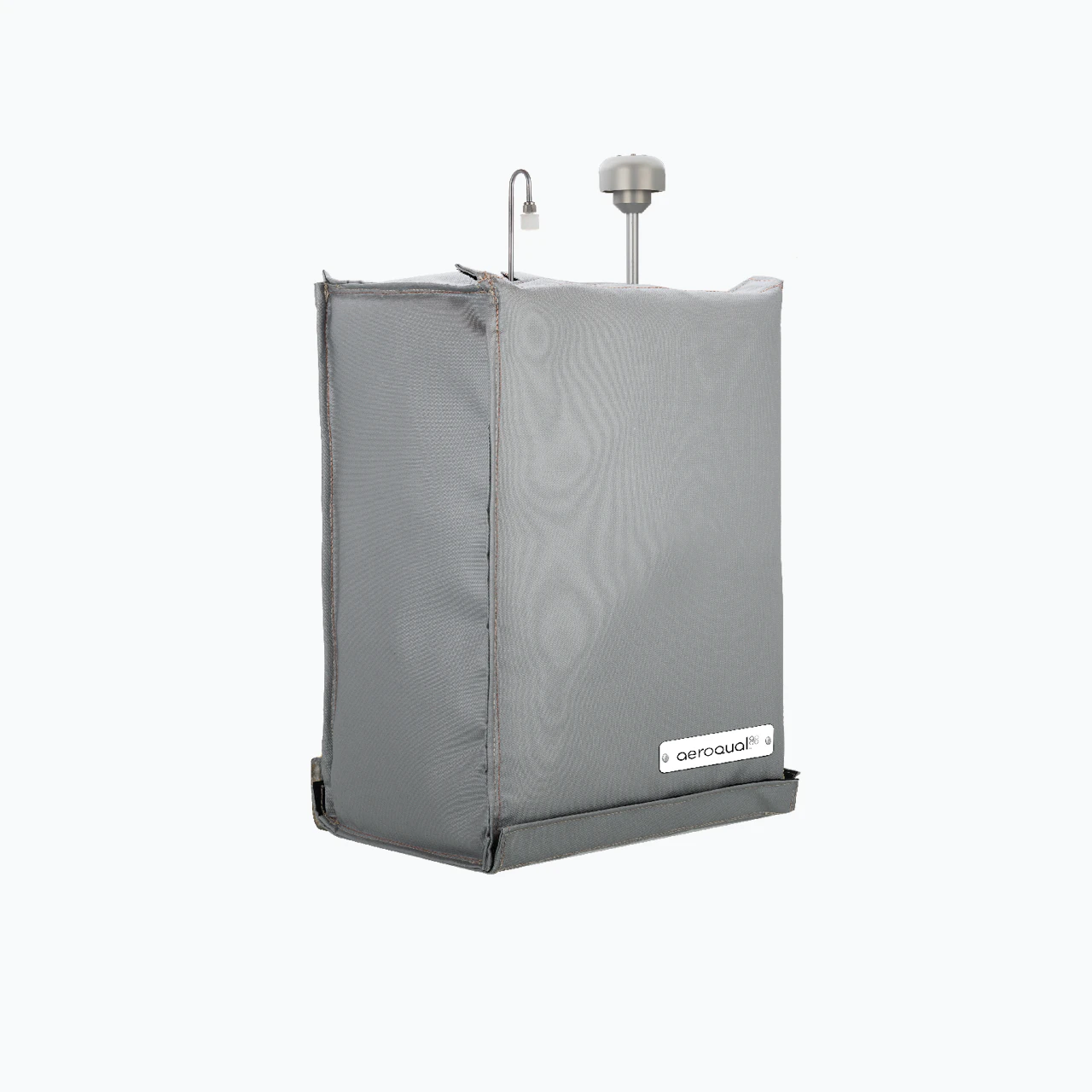
Robust, weatherproof enclosure with solar shielding, suitable for use in almost any environment. Low power, so compatible with solar and battery fenceline applications.
Who uses the Aeroqual AQS 1 Benzene?
The AQS 1 Benzene is used by industrial site operators who need to manage benzene emissions within regulatory or permitted limits, including:
- Oil and gas facilities (upstream, midstream and downstream activities)
- Remediation projects
- Industrial parks with petrochemical and chemical facilities
- Waste management
The AQS 1 Benzene, in conjunction with wind data, can be used to attribute elevated benzene readings to specific sources, enabling rapid emission detection and localization, so site operators can eliminate benzene emissions before exceeding regulatory or permitted limits.
The AQS 1 Benzene is used by regulatory authorities who need to monitor benzene levels within their jurisdiction.
Optional accessories

FAQs
The main difference is that the Dust Sentry measures dust and particulate matter (PM), while the AQS 1 can measure particulate matter and up to three gases at the same time. Both are designed for continuous real-time measurement of ambient air.
The AQS 1 can measure particulate matter (PM) and up to three gases at the same time. You can choose from the following parameters:
- Particulate matter (PM1, PM2.5, PM4, PM10, TSP)
- Gases: ozone, nitrogen dioxide, VOCs, carbon monoxide, sulfur dioxide, hydrogen sulfide, methane, benzene
- Meteorological (temperature, humidity, rain, pressure, wind speed/direction, solar radiation)
- Noise
Yes, the system can be configured with a PCX Particle Module. The PCX Particle Module mass measures PM1, PM2.5, PM4, PM10, and TSP as standard.
Are the gas detection levels suited for indoor measurement?
Yes. However, please note that noise is generated by the equipment when it is operating.
Is it easy to install and maintain?
Installation
The AQS 1 can be used almost anywhere – on roofs and lamp posts, by a busy street or an offshore oil rig, in cold and hot climates, on or off-grid. The unit weighs about 12kg, so installation is easy; you can get set up or relocate in under 10 minutes.
Maintenance
This is a low-maintenance air quality station, and the skill level required for operation is relatively low.
How do we calibrate an AQS 1?
Gas Calibration
There are three types of calibration of the gas module:
- Factory calibration pre-shipment is standard on all our instruments.
- Field calibration. Typically, only advanced users will need to field calibrate their AQS 1. All other users can depend upon 12-monthly factory calibration of the gas module.
- Factory calibration post-shipment.
Particulate Calibration
All Aeroqual PM engines need to be returned to the Met One Instruments factory in the U.S. for service and calibration at the following recommended intervals:
- AQS 1 Particle Monitor: 24 Months
- AQS 1 Particle Profiler: 12 Months
Aeroqual can arrange for this service. Contact support@aeroqual.com for further details
What is the dimension and weight of an AQS monitor?
483 H x 330 W x 187 D mm (19 H x 13 W x 7.4 D inches) includes solar shield armour and mounting brackets, and it weighs less than 13 kg (28.6 lbs).
Is the AQS 1 a temperature-controlled enclosure?
No. However, the enclosure is a lockable IP65-rated, glass-reinforced plastic (GRP) cabinet with integrated aluminium solar shield armor.
What is the environmental operating range?
The AQS 1 is designed to operate in environments from -10 °C to +45 °C (14 °F to 113 °F)
Can it be solar or battery powered?
Yes. To read more, see this technical note on How to remote/solar power the Dust Monitor.
Can we integrate a third-party weather station in the AQS 1?
Yes, a power and data interface for designated third-party sensors is included.
Here is a list of the environmental sensors that integrate with the AQS 1 system:
- Gill WindSonic (ultrasonic wind sensor)
- Vaisala WXT536 (weather transmitter)
- Met One MSO (weather transmitter)
- Cirrus MK427 Class 1 (noise sensor)
- Novalynx Pyranometer (solar radiation)
What communication options are there for access to the instrument?
- Standard: WIFI
- Ethernet (LAN)
- Optional: Cellular IP HSPA 3G modem
Are all the gas modules calibrated to NIST standards?
Yes. The AQS 1 is delivered with a NIST-traceable factory calibration.
Product Support
For support on your AQS 1 instrument, click here to visit our support centre.
Solutions for your sector
Case studies

Case Study - Brownfield Redevelopment
Building a healthier Brooklyn: Aeroqual and Langan's collaboration on the Alafia Estate
Case Study - Brownfield Redevelopment
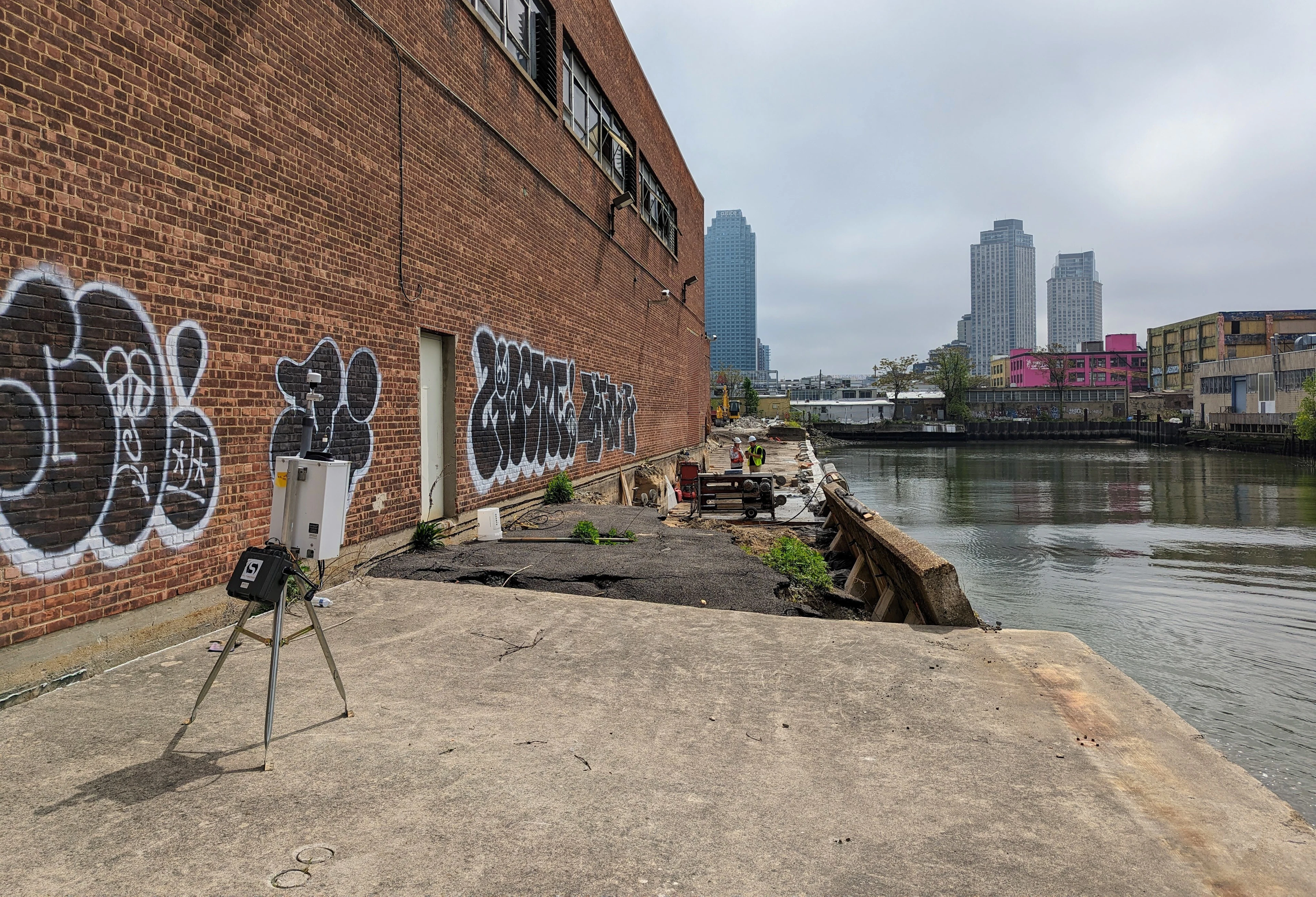
Perimeter monitoring during a waterfront stabilization project in Queens

Case Study - Brownfield Redevelopment
250 Water Street NYSDEC
Related products


Real-time air monitoring made easy
Take the time and hassle out of your next project with a real-time air quality monitoring solution.